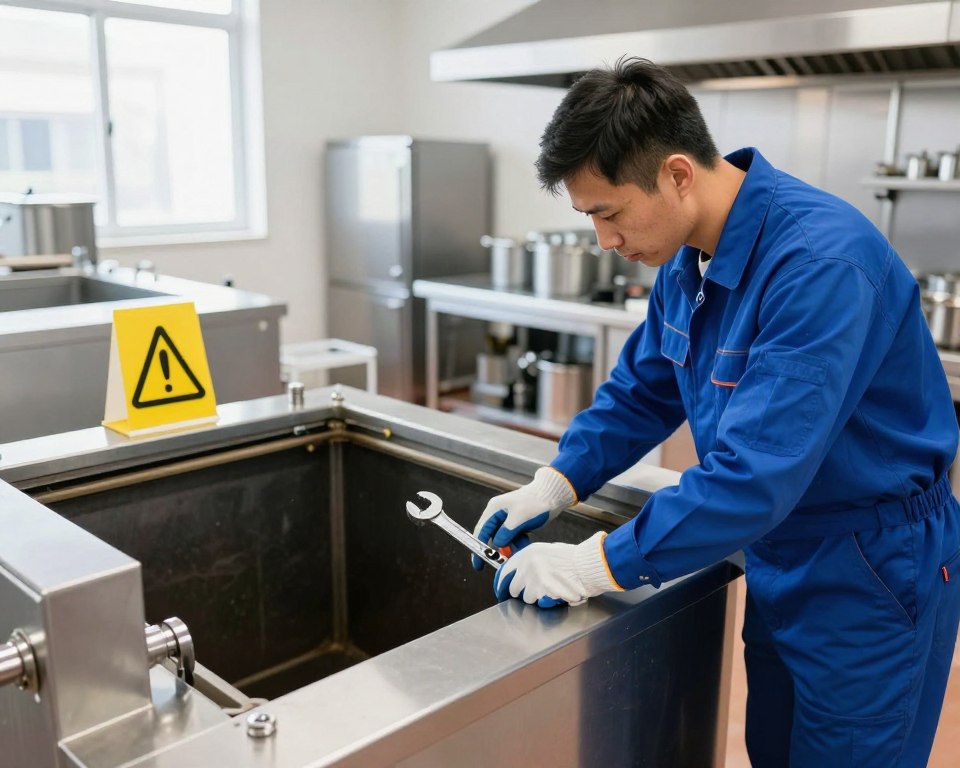
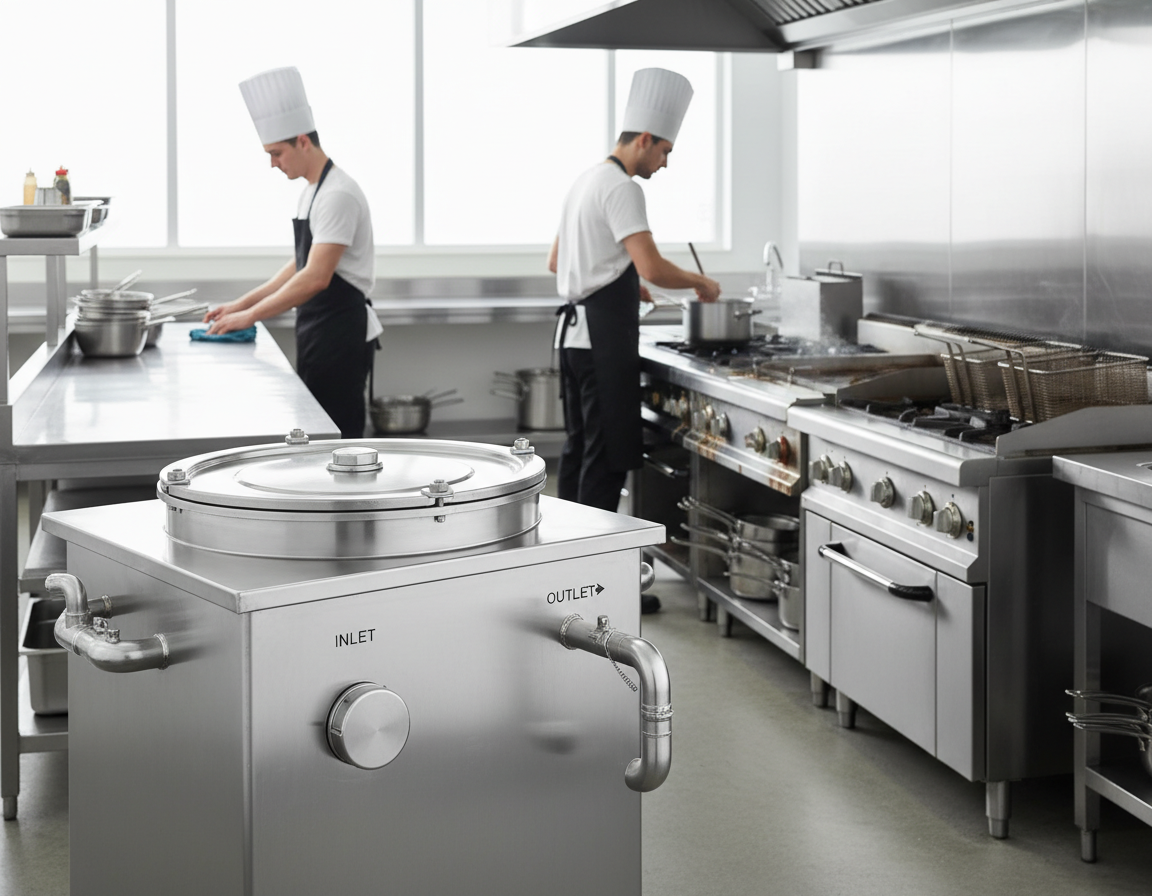
How to Audit Your Current Grease Trap Cleaning Service in Chatsworth

Grease Cleaning Pros delivers consistent grease trap cleaning & pumping for restaurants and cafés, commercial kitchens, and hospitality businesses that require steady, code-aligned maintenance. Our crew works to stop fats, oils, and food waste from setting up and damaging your plumbing or the municipal sewer system.

Learn More About Grease Trap Pumping
This Resource Is About Grease Trap Pumping
Website About Grease Trap Pumping

Build-up inside the unit can cause slow drains, backups, and unpleasant smells. These problems slow down kitchen operations and can lead to expensive repairs and revenue loss. A professional service minimizes those risks and keeps drains moving.

Our pumping services safeguard your facility and city lines by clearing out FOG before it creates a blockage. We issue clear records to support inspections and help you stay aligned with local requirements with minimal interruption for your busiest hours.

Below, you will find details on services offered, what you can expect during a site visit, scheduling tips, and support for meeting requirements. Count on reliable scheduling, fewer urgent issues, better sanitation, and inspection-ready paperwork for city or sanitation inspections.

Key Takeaways

  • Grease Cleaning Pros is known for consistent service for restaurants and cafés and busy commercial kitchens.
  • FOG accumulation often results in slow drains, backups, odors, and expensive plumbing repairs.
  • Routine pumping service is designed to protect your plumbing and the public sewer system.
  • Service visits include pump-out, documentation, and help setting maintenance intervals.
  • Services are scheduled to limit downtime and help meet regulatory requirements.

Commercial Grease Trap And Interceptor Services By Grease Cleaning Pros

Grease Cleaning Pros offers professional commercial service for restaurants and cafés, institutional kitchens, caterers, and other food establishments that create steady FOG loads. Our scheduled programs keep systems operating so your staff can focus on customers.

What we service in plain terms:

Grease Trap Cleaning

  • Compact units beneath sinks and near dishwashers.
  • Large outdoor interceptor tanks for high-volume kitchens.

We customize each job by size and access. A smaller indoor unit takes less time on site and requires minor access work. A big outdoor tank often requires larger equipment, higher pump-out volume, and careful coordination on site.

Choose a dependable company to reduce unexpected shutdowns. Our technicians show up within on-time windows, follow professional practices, and coordinate before, during, and after the job so managers can plan around rush windows.

Good grease control is critical for brand reputation. Working with the right service provider helps avoid smells, spillovers, and costly interruptions to everyday service.

How Grease Traps And Grease Interceptors Protect Your Kitchen And The Sewer System

When kitchen flow decelerates, grease compounds separate out and can be trapped before they clog lines. As heated water and wash water enter the unit, flow reduces; lighter grease rises while denser solids settle. The result is better-separated water that moves into the drain line.

What Separation Looks Like In Real Wastewater Flow

In practice, a small indoor grease trap traps lighter grease near sinks. Larger outdoor grease interceptors hold more volume and allow more time for proper separation. Both devices reduce the FOG burden sent to city mains.

Why Capacity And Installation Matter

Indoor traps sit close to fixtures and process smaller volumes. Outdoor interceptor tanks are set underground or near the curb and serve high-output kitchens. Bigger capacity usually means fewer service visits but needs planned maintenance.

Operational, Environmental, And Compliance Effects

Neglect can cause slow-flowing drains, backups, and bad odors near prep areas. Routine service helps keep systems operating, cuts down emergency plumber calls, and minimizes the risk of FOG reaching storm drains or waterways.

Device Typical Location Maintenance Frequency
Small indoor unit Under sink / near dishwasher More frequent (monthly to quarterly)
Outdoor interceptor Underground or yard Scheduled (quarterly to annual)
Municipal main protection City sewer lines Depends on load; routine removal prevents blockages

Grease Trap Cleaning & Pumping

Grease Cleaning Pros handles end-to-end service visits that remove accumulation, protect your plumbing, and deliver inspection-ready documentation. Our crew plans to minimize downtime and keep operations running smoothly.

What’s Included In A Professional Visit

A typical Grease Cleaning Pros service follows a simple, repeatable sequence:

  1. Locate and access the unit, ensuring safe entry and traffic control.
  2. Measure and assess contents to plan removal volume and methods.
  3. Pump out liquids and solids using certified equipment.
  4. Thoroughly clean the interior—scrape adhered material and clear baffles where allowed.

Why Professional Cleaning Goes Beyond Pumping

Proper service includes scraping buildup, clearing flow paths, and checking separation performance. This brings back the unit so it separates fats and solids efficiently after the appointment.

Waste Handling, Documentation, And Scheduling

Removed waste is sealed and moved under environmental rules to licensed disposal facilities. Grease Cleaning Pros issues documentation with dates, measured volumes, and notes on condition for inspections.

We provide off-hours service to reduce odor and service interruptions during rush periods. The same steps apply from compact indoor units to large interceptor tanks with appropriate equipment and planning.

Service Element Benefit Compliance Value
Full removal & interior care Fewer backups and slow drains Meets operational standards
Responsible waste disposal Reduced environmental risk Supports reporting requirements
Inspection paperwork Proof of service for audits Clear records for regulators

Maintenance Scheduling, Preventative Service, And Compliance Support

A preventative approach stops problems before they reach your dining room or back of house. Grease Cleaning Pros works with facilities to set practical schedules that reflect output, menu choices, and equipment.

Understanding the 27% FOG rule

Why The 30% Threshold Matters

When fats, oils, and solids occupy about roughly a quarter of a device’s effective volume, separation efficiency drops and the risk of backups rises. San Diego and similar ordinances require food and beverage establishments to keep contents under that threshold to protect the sewer and plumbing lines.

How The Rule Guides Service Frequency

Service scheduling should be based on actual wastewater volume, not just a calendar date. Busy kitchens or oil-heavy menus need shorter intervals. Grease Cleaning Pros assesses fixture counts, menu chemistry, and daily throughput to recommend visits that keep the system under 25%.

Typical Cadence And Preventative Plans

Indoor grease trap units often need monthly visits. Outdoor grease interceptor tanks often require quarterly visits or when needed to keep below the 25% threshold.

Device Typical Cadence When to shorten interval
Small indoor grease trap Monthly Busy shifts, oil-heavy menus
Outdoor grease interceptor Quarterly Peak seasons, added equipment
Custom plan Recurring/automatic Repeated slow drains or citations

Compliance, Flexibility, And Triggers To Adjust

Grease Cleaning Pros supplies audit-ready records, disposal manifests, and service log entries to help businesses meet local requirements. We provide off-hours appointments and automatic recurring programs to reduce daytime disruption.

Adjust your schedule for peak seasons, menu changes that raise oil use, added cooking equipment, or any sign of slowed lines. Planned maintenance reduces the chance of citations, high-cost cleanup, and plumbing emergencies.

Conclusion

A steady maintenance plan keeps kitchens running and prevents major plumbing disruptions. Regular service reduces buildup, keeps odors down, and avoids emergency repairs that disrupt restaurant operations and other food operations.

Grease Cleaning Pros covers the full job — visits include pump-out, interior care, proper disposal, and documentation for inspections. A properly maintained trap and interceptor perform reliably; a neglected unit often invites blockages and higher costs.

Book regular visits or start a recurring program to keep systems under regulatory limits and protect your sewer lines. Call Grease Cleaning Pros for a quote or to set up ongoing service for your location.

Related: How Weather Affects Grease Trap Repair Chatsworth

Posted in Food & Restaurants | Comments Off on How to Audit Your Current Grease Trap Cleaning Service in Chatsworth

Diaspora Finance in Belt and Road Financial Integration and People-to-People Bond

Notable fact: By October 2023 this initiative touched 151 countries, covering roughly $41 trillion in GDP and about 5.1 billion people — a scale that redirected global trade routes. In this context, “facilities connectivity” describes how Beijing financed and delivered cross-border systems—ports, rail, and digital links—that connect regions. This opening section summarizes what was intended between 2013 and 2023, what was built, and where controversies intensified.
Belt and Road Facilities Connectivity
Expect a brief trend review: first an early megaproject surge, then a turn toward greener, smaller, and more digital initiatives. We’ll map the policy toolkit, corridor planning, financing patterns, and who benefited.

This article examines the core tension: infrastructure as development opportunity versus worries about debt, governance, and geopolitics. Case studies—CPEC/Gwadar, Indonesia’s high-speed rail, and the Port of Piraeus—ground the analysis.

Belt And Road Facilities Connectivity In Context: What The Belt And Road Initiative Aimed To Do

When Xi Jinping unveiled the New Silk Road in 2013, he recast infrastructure as a tool for shared growth across continents.

Origins And The New Silk Road Narrative

Jinping used the Silk Road framing to build legitimacy and attract partner buy-in. That name helped unify and rebrand many national plans under a single global program.

Scale And Reach By October 2023

By October 2023 the belt road initiative touched 151 countries, covered about $41 trillion in combined GDP, and linked roughly 5.1 billion people. This magnitude turned the effort into a system-level force, not merely a regional push.

Why “Connectivity” Became The Umbrella Goal

Connectivity bundled transport, energy, communications, investment flows, and people movement into one policy narrative. The logic was simple: lower time and cost for trade, expand market access, and make cross-border movement more predictable.

Indicator Amount What It Signals
Countries 151 (approx.) Program footprint
Combined GDP covered ~$41 trillion Market scale
People covered About 5.1 billion Social impact

The Chinese government framed the initiative as a platform using state finance, SOEs, and diplomacy to deliver projects at scale. Ambition was obvious, but formal policy blueprints were needed to translate vision into real corridors on the ground.

From Vision To Implementation: The Policy Blueprint Guiding BRI Connectivity

The 2015 action plan framework translated a broad policy goal into a practical operating manual for cross-border work. It outlined steps that made planning, finance, and people exchanges practical for a wide range of projects.

Belt and Road Facilities Connectivity

The 2015 Action Plan Targets

The plan set four targets: improve intergovernmental communication, align infrastructure plans, build soft infrastructure, and deepen people-to-people ties.

Government-To-Government Coordination

Stronger coordination meant national plans aligned at key stages. That reduced political risk and lowered the chance projects stalled after a leadership change.

Aligning Transport And Energy Systems

Plan alignment focused on linking transportation systems and power grids across borders. This approach aimed to supply industrial zones and urban growth with reliable routes and energy.

Soft Infrastructure And Financial Integration

Soft infrastructure included trade deals, harmonized standards, faster customs, and financial integration to smooth cross-border payments and capital flows.

People-To-People Links

Education exchanges, joint research, and tourism built the human networks needed to staff and sustain long-term projects.

Goal Main Action Expected Result
Coordination Government forums Fewer abrupt policy reversals
Plan alignment Transport/power mapping Connected routes, steady supply
Soft infrastructure measures Trade rules & finance links Smoother cross-border trade
People ties Scholarships & exchanges Local capacity and trust

How The Silk Road Economic Belt And The 21st Century Maritime Silk Road Shaped Routes

Two route systems—overland corridors across Eurasia and maritime networks at sea—defined the spatial logic for major investments. This twin-track approach guided where capital, equipment, and construction teams concentrated over the past decade.
Belt and Road Financial Integration

Overland Links Across Eurasia And Central Asia

Overland corridors centered on rail, highways, and pipelines crossing Central Asia. Those corridors aimed to shorten transit times for exporters and cut reliance on long sea voyages.

Rail connections across Central Asia became vital as a bridge between producers and markets. Planners often wrapped towns, terminals, and logistics parks into corridor plans.

Maritime Logistics: Ports, Sea Lanes, And Hinterland Links

The Maritime Silk Road approach translated into three operational parts: port expansion, major sea-lane usage, and inland links that make ports functional. Ports functioned as hubs where ships meet rail and road for last-mile movement of goods.

Why Linking Land And Sea Routes Mattered

Linking routes built strategic redundancy. If chokepoints threatened shipping lanes, overland routes could reroute traffic and keep goods moving.

Reliable route choices improved predictability for shippers. That helps firms plan inventory, reduce buffer stocks, and stabilize supply chains.

  • A two-route architecture concentrated capital on nodes that link land and sea.
  • Corridors converted route maps into bundled investments—ports, terminals, rails, and customs nodes.
  • On-the-ground projects needed financing, regulation, and operators working in concert.

Economic Corridors And Facilities Connectivity: What “Corridor Development” Meant In Practice

Building an economic corridor meant pairing hard works—roads, rail, ports—with softer measures that make places productive.

Corridor development was a package: transport links, logistics nodes, industrial clustering, and policy changes that ease trade. The goal was to turn transit routes into engines of local growth.

Corridors As More Than Physical Infrastructure

Productive integration makes this plain. Manufacturing, power supply, and distribution networks were aligned so corridors created jobs and exports, not only transit fees.

Planners included warehouses, customs hubs, and special zones to capture value close to the route. That helped move goods faster and supported local firms.

Where Corridor Planning Met Local Development

Local strategies—industrial parks, city-region plans, and land policy—aimed to capture spillovers from corridor projects.

Aspect Area Goal Downside Example
Transport buildout Shorten travel time Underutilization if demand lags CPEC bundles multiple asset types
Industrial clusters Create jobs and exports Weak zoning blocks growth Special zones near terminals
Policy changes Faster customs, licensing Reform delays reduce benefits Local trade rule alignment

Over time, attention moved from raw construction to utilization, revenue models, and long-run competitiveness. Corridor-scale work is capital-intensive and usually requires state-linked finance and strong political coordination.

Financing The Connectivity Push: Chinese Banks, Institutions, And Competitive Bidding

Low-cost, patient capital from Chinese policy banks rewired which projects could start and which stalled. That funding model was central to how many large transport and port projects moved forward between 2013 and 2023.

Two policy lenders, China Development Bank (CDB) and the Export-Import Bank of China (EXIM), received large capital injections. Their bonds trade like government debt, and they can tap People’s Bank liquidity. This gave them very low borrowing costs and flexible terms.

The result: Chinese SOEs won many bids by offering attractive finance packages. From 2013 to 2023, roughly $1 trillion in investment and construction deals were signed with partner countries. That scale made cheap credit a defining characteristic of the initiative.

Competitive bidding often depended on finance terms as much as technical offers. Recipient governments sometimes preferred faster, less-conditional loans over longer, conditional multilateral options.

Yet financing did not erase implementation risk. Indonesia’s high-speed rail offer won on strong Chinese investment and credit, but land acquisition and licensing delays slowed progress.

Beyond contracts, this model supported industrial policy by keeping SOEs busy through steady overseas pipelines and building execution experience. In turn, finance capacity shaped which sectors dominated early works—transport, energy, and port infrastructure—setting up the next phase of outcomes.

Past Project Patterns: Transportation, Energy, And Ports That Anchored Facilities Connectivity

Early patterns clustered around three physical pillars: transport routes, power buildouts, and major seaports. That mix made routes practical for trade and connected inland production to overseas markets.

Flagship Corridor Case: A Long Kashgar–Gwadar Link

The China-Pakistan Economic Corridor stretches roughly 3,000 kilometers from Kashgar to Gwadar. This package combines highways, rail, pipelines, and optical cables to give inland China faster maritime access.

Multi-Asset Packages

Corridor packages combined transport nodes with power plants and digital links. Putting roads, rail, fiber, and grid work together shows how infrastructure expanded beyond single projects.
Belt and Road People-to-People Bond

Energy-First Investment Patterns

Many corridors put energy first. Large power plants and grid upgrades often came before industrial parks so factories had reliable supply.

Ports And Strategic Nodes: Gwadar & Piraeus

Gwadar was leased to a Chinese ports operator until 2059, but rollout lagged: airport and free-zone schedules slipped and usable acreage remained small in 2023. That slowed cargo flows and muted local benefits.

By contrast, COSCO’s majority stake at Piraeus gave operators direct control and a foothold into Europe’s logistics network. The two examples show how ownership and execution shaped real gains.

When energy, transport, and port works align, corridors cut costs and speed goods movement; when they misalign, utilization and benefits lag.

Economic And Trade Effects: How Connectivity Initiatives Influenced Growth And Integration

Shorter transit routes and smoother border processes made new markets reachable for many exporters. Reduced shipping time lowered logistics costs and improved delivery predictability.

Firms could lower inventory buffers. That raised the appeal of exporting manufactured goods to farther markets and supported trade growth at regional scale.

How Moving Goods Faster Changed Trade

Lower transport costs and steady schedules increased traded volumes on several corridors. Faster delivery made perishable and time-sensitive products more viable for export.

Measured effects included shorter lead times, cheaper freight per unit, and higher shipment frequency for certain routes.

Financial Integration: RMB Use And Bond Issuance

Issuing bonds in RMB and promoting local currency use reduced currency friction. That helped buyers and lenders avoid expensive conversions and created deeper capital links.

RMB-denominated instruments also made Chinese investments easier to price and finance across borders.

Channel Mechanism Likely Effect Example
Transport improvements Shorter routes, better terminals Lower freight costs, quicker delivery Rail and port packages
RMB bond issuance Local issuance plus currency swaps Lower exchange risk, deeper markets RMB bond programs
SOE export of capacity Deploying overcapacity abroad Greater project supply, lower prices Steel and construction exports

Domestic Drivers & Regional Reshaping

Behind the projects were domestic aims—keeping state firms busy, exporting excess steel and cement, and deploying large national savings overseas.

Over time, expanding links can shift regional trade patterns and deepen some countries’ economic reliance on a major partner. That reshaping can boost productivity while also increasing political leverage.

Partner countries can gain jobs, better logistics, and growth when projects fit local needs and governance is strong. However, benefits depend on sound project choice, transparency, and complementary reforms.

Scale creates both gain and risk. The same forces that raise trade and financial integration also amplify concerns about debt, governance, and underperforming projects—issues explored next.

Constraints And Controversies That Shaped Outcomes In The Past Decade

A mix of financial strain, governance gaps, and execution problems shaped how many projects performed across partner countries. These limits forced policy shifts and changed public views of large-scale investment programs.

Debt Stress And Cautionary Cases

Sri Lanka and Zambia became warning examples. Debt strain and repayment concerns shifted political debate and led some governments to renegotiate or halt deals.

“Repayment stress can shift public opinion and push governments to rethink long-term commitments.”

Governance And Corruption Risks

Weak oversight raised value-for-money concerns. Low 2022 CPI scores—Turkmenistan (19), Pakistan (27), Sri Lanka (36)—help explain recurring concerns about transparency and fraud.

Execution Bottlenecks, Underperformance

Common delays came from land acquisition, licensing, procurement disputes, and cost overruns. Indonesia’s high-speed rail missed early targets due to those factors.

Kenya’s railway stopped short of the Uganda border, and a parliamentary review found rail freight could cost more than road transport. Incomplete networks reduce returns and trigger political backlash.

Constraint Example Impact Policy Response
Debt sustainability Sri Lanka and Zambia Renegotiation, public protests Loan-term review
Governance risks Low CPI scores Value-for-money doubts Transparency initiatives
Execution delays Indonesia rail Cost overruns; slow utilization Stronger procurement rules
Underuse Kenya railway shortfall Lower economic returns Project reappraisal

Geopolitics And The Pandemic-Era Slowdown

Geopolitical skepticism from the U.S. and some allies reduced high-level participation and nudged certain countries away from large deals. Italy, for example, signaled shifting interest.

Investment flows also dropped: outbound construction and investment in 2022 were $68.3B, down from $122.5B in 2018. That ~44% fall showed a clear momentum shift.

Taken together, these constraints pushed adaptation and set the stage for a 2023 pivot toward greener, digital, and integrity-focused cooperation.

How BRI Connectivity Began Evolving By 2023: From Megaprojects To Green And Digital Links

By 2023, the initiative’s playbook shifted from headline megaprojects to targeted, lower-risk efforts. The October white paper framed this as a move toward smaller projects emphasizing sustainability, tech collaboration, and cross-border digital trade.

Signals From The 2023 White Paper And Forum Priorities

The 2023 white paper and the Third Forum emphasized a multidimensional network rather than one-off giants. Xi listed commitments emphasizing green development, science and technology cooperation, and stronger institutions.

New Emphasis: Green Development, Science And Technology, E-Commerce

Green development responds to environmental criticism and tighter financing. Smaller renewable projects and upgrade work can be approved and funded faster, with clearer permits and less social backlash.

Digital and e-commerce links expand the initiative’s scope. Data flows, platforms, and cross-border trade systems now sit alongside ports and rail as core parts of future integration.

Institution-Building And Integrity-Based Cooperation

More focus on integrity and institution building aims to manage debt and transparency risks. Stronger procurement rules, compliance checks, and joint oversight reduce political and financial friction for partners and lenders.

AI Governance And Shaping Rules

The Global Initiative for Artificial Intelligence Governance signals a move to set norms, not just build assets. Rule-making in AI and standards work can shape influence in the 21st century as much as physical projects once did.

Implication: This pivot changes how partner countries measure success. Future influence will come from greener projects, digital platforms, and shared rules—tools that are harder to quantify but may be more durable.

Conclusion

In summary: Years of rapid projects reshaped routes and cut trade frictions, but outcomes varied by country. Success depended on solid economics, strong governance, and timely execution.

Over the decade the belt road approach moved from big, hard infrastructure builds to a more selective, reputation-aware agenda. By 2023 the initiative emphasized green work, digital links, and stronger institutions.

Key mechanisms to remember are route architecture (land and sea), corridor development logic, and financing driven by policy lenders and state firms. Major controversies—debt stress, corruption risks, execution delays, and geopolitical pushback—shaped the shift.

What to watch next: green project pipelines, e-commerce platforms, and AI governance. For U.S. audiences, this evolution matters for standards, supply-chain routing, port influence, and the competitive landscape for development finance.

Related: Best Value Off-Road ATV Tire Accessories in 2025

Posted in Business | Comments Off on Diaspora Finance in Belt and Road Financial Integration and People-to-People Bond

Moving Cleanout In Thousand Oaks: How To Prepare A House For Sale

What if you could skip the hardest part of relocating? Clearing out a home or office is often the most daunting task. It doesn’t have to be.

Dude Where’s My Junk Inc. is a top provider in the Conejo Valley. We offer professional cleanout services for moves and transitions. Our reputation is built on real trust. We have over 5,170 verified reviews. Plus, more than 625 five-star Google reviews from thrilled customers.

Read More About Construction Cleanup In Thousand Oaks
A moving cleanout removes unwanted items and debris from a property. This creates a fresh, empty space for your next step. Hiring a professional team brings great convenience. We handle the heavy lifting and responsible disposal for you.

Our fully licensed and insured company serves homes and businesses. We work throughout Thousand Oaks and Ventura County.

We promise transparent pricing and green practices. Your satisfaction is our top priority.

This guide will explore everything about these services. Learn why locals trust us for their needs.

Consider a professional solution for your next project. Take back your time and property today.

What Is A Moving Cleanout And Why Is It Important In Thousand Oaks?

Transitioning homes or offices involves more than just packing boxes. It requires clearing out what you no longer need. A moving cleanout is the end-to-end process of removing all clutter and unwanted items from a property.

This service focuses on removal and disposal of things that won’t go to your new location. It goes far beyond standard relocation help.

Several common situations in Thousand Oaks often need this service. Reducing space, estate settlement, and preparing a house for sale are common examples. Renovations, rental move-outs, and simple decluttering also often require it.

Trying a do-it-yourself approach has serious limitations. It consumes your valuable time and is physically demanding. Handling disposal logistics poses challenges, and safety risks from heavy lifting are real.

Hiring experts like Dude Where’s My Junk Inc. solves these problems. You save major effort and ensure proper disposal. It helps avoid personal injury and makes your entire relocation easier.

Professional crews regularly handle specific categories of stuff. Old furniture, broken appliances, and outdated electronics are common. Construction debris and general household junk are also routinely taken away.

A key tip from professionals is to secure valuables beforehand. Keep important documents and sentimental items in a safe place. This simple step prevents any accidental loss during the clearance process.

For residents of this area, these services are particularly valuable. High property values mean presenting an empty, clean space is crucial. Busy local lifestyles make outsourcing this heavy work a practical choice.

Investing in a professional cleanout is a smart decision. It directly contributes to a successful property transition. It allows you to focus on your new beginning while experts handle the removal.

Property Cleanout In Thousand Oaks

Why Choose Dude Where’s My Junk Inc. For Your Cleanout Project?

When it’s time to clear out your space, you deserve a team that puts you first. Dude Where’s My Junk Inc. stands out as the go-to choice for junk removal in the region.

Our commitment to excellence is reflected in every job. We combine local know-how with professional reliability.

Local Know-How In The Conejo Valley

Deep roots in the Conejo Valley give us a unique advantage. We understand the specific needs of Thousand Oaks residents and businesses.

Our team knows the area’s disposal rules backwards and forwards. This ensures all junk is handled properly and responsibly.

We have strong partnerships with local charities. Donatable items find new homes, supporting our community.

“They knew exactly where to take everything, which made the whole process worry-free.”

– A satisfied local customer

This local knowledge translates to fast, hassle-free service for you.

Fast Reliable And Insured Service

We value your time. That’s why we offer same-day or next-day pickup options.

Our efficient crew arrives on schedule and completes the work quickly. You get your space back without delay.

Being fully licensed and insured provides crucial peace of mind. Your property and our workers are protected during every project.

Customer-centric policies are our standard. You receive a free, upfront quote with 100% transparent pricing.

There are no hidden fees. Easy online booking makes getting started simple.

Our reputation is built on trust. With over 625+ five-star Google reviews, we are a proven partner.

Hundreds of satisfied customers in Ventura County trust us for their cleanout needs.

Our professional team handles every item with care and respect. From small residential tasks to large commercial projects, we deliver.

Choosing us means selecting local knowledge, speed, and reliability. It means a stress-free experience from start to finish.

Ready for help with your estate or business clearance? Contact us today to schedule your junk removal service.

Our Comprehensive Moving Cleanout Services In Thousand Oaks

From a single cluttered room to an entire commercial building, we manage it all. Dude Where’s My Junk Inc. offers a complete menu of services tailored for any project size.

Our process includes heavy lifting, item loading, transport, and proper disposal. We handle the entire cleanout so you don’t have to lift a finger.

Full Home And Apartment Cleanouts Services

We perform complete clearance of every room in your house or apartment. Our team clears kitchens, bathrooms, bedrooms, and living areas smoothly.

This service is perfect when you need an empty, ready property. We remove all general household junk and unwanted items.

Garage, Attic, And Basement Clearing

These storage spaces often hold years of accumulated clutter. We provide focused removal of stored boxes, old equipment, and forgotten belongings.

Our work transforms these overlooked areas into usable space again. We take away everything from old sports gear to broken tools.

Estate And Downsizing Cleanouts

We handle these sensitive projects with respect and care. Our crew assists with estate settlements or when seniors move to a smaller home.

We manage the entire process, allowing families to focus on what matters. This includes sorting, hauling, and responsible disposal of contents.

As one source notes, these cleanouts involve “heavy lifting, loading items, transport, and proper disposal.” We follow this thorough approach for every client.

Office And Commercial Space Cleanouts Services

Businesses in Thousand Oaks rely on us for efficient space clearing. We remove old furniture, electronics, inventory, and retail fixtures.

Our commercial junk removal services help with office resets and warehouse cleanout projects. We ensure minimal disruption to your business operations.

Beyond these core offerings, we provide valuable add-ons. These include donation pickup, labor-only help for loading trucks, and packing assistance.

We commonly remove appliances, electronics, construction debris, and yard waste. Our team has the manpower and equipment for items of all sizes and weights.

Every project in Thousand Oaks is customizable to your specific needs. Whether large or small, we deliver a junk removal solution that fits.

Serving Thousand Oaks And All Of Ventura County

Knowing exactly where a service operates can make planning your project much easier. Dude Where’s My Junk Inc. is proud to serve a wide network of communities.

Our primary focus is on the entire Conejo Valley region. We extend our reliable junk removal to many neighboring cities as well.

This broad coverage ensures we can help most local residents and businesses. You get the convenience of a trusted local provider.

Primary Service Area: Thousand Oaks, CA

Our home base and core service territory is Thousand Oaks, California. We work in every neighborhood across this beautiful city.

Common zip codes we serve include 91320, 91360, and 91362. No corner of this community is too far for our team.

We frequently handle projects in neighborhoods like North Ranch, Lynn Ranch, and Westlake. The Hidden Valley and Newbury Park areas are also within our regular route.

Whether you have a house in the hills or a business on Thousand Oaks Boulevard, we’re here to help. Our local knowledge makes every cleanout efficient.

Extended Coverage: Conejo Valley & Beyond

Our reach extends well beyond the Thousand Oaks city limits. We provide services throughout Ventura County and into Los Angeles County.

In Ventura County, we regularly serve Westlake Village, Agoura Hills, and Simi Valley. Moorpark and Newbury Park are also key parts of our area.

We cover multiple areas in the Conejo Valley. This includes Oak Park, Calabasas, and Hidden Valley.

Our team also travels to parts of Los Angeles County. Top service locations include Woodland Hills, Canoga Park, and Tarzana.

We serve West Hills, Chatsworth, Porter Ranch, and Northridge too. Simi Valley and Newbury Park round out our detailed service list.

“They had no issue coming to Westlake Village. Their regional coverage gave us confidence.”

– A Ventura County client

Choosing a local company offers clear advantages. We understand the geography, traffic patterns, and disposal facilities.

This knowledge saves time and ensures proper handling of your property items. It’s a benefit you only get with a community-based provider.

For locations slightly outside our main zone, we may apply a small travel charge. We always discuss this transparently during your free quote.

Service availability can vary slightly by specific address. We strive to serve all of Ventura County and the surrounding region.

Unsure if your home or business is within our range? Simply call our office or check online.

Our team is committed to serving the entire Thousand Oaks community and its neighbors. We’re your local partner for estate clearance and removal needs.

The Dude Where’s My Junk Cleanout Process: Simple And Stress-Free

Efficiency and clarity are the hallmarks of a great removal experience. At Dude Where’s My Junk Inc., we have perfected a four-step system. This method turns a big job into a straightforward task.

Our process is designed with your convenience as the top priority. You get a clear plan from the first call to the final sweep. Every step is handled by our professional team.

Process Step Main Feature Your Benefit
1. Free, Upfront Quote Transparent pricing based on volume No surprise fees; know your cost immediately
2. Scheduling That Fits You Same-day or next-day pickup options Fits your busy timeline; easy online booking
3. Pro Crew Does The Heavy Work Skilled team handles all labor Save time and avoid physical strain
4. Responsible Removal And Clean Sweep Sorting for donation, recycling, or disposal Green solution; your area is left clean

Step 1: Your Free, Upfront Quote

It all starts with a fast and easy estimate. You can get your free quote online or with a quick phone call.

We provide upfront pricing based on the volume of your items. There are absolutely no hidden fees. You will know the total cost before we begin any work.

This upfront approach builds trust from day one. It allows you to plan your budget with confidence.

Step 2: Convenient Scheduling

Life is busy, especially during a transition. We offer flexible scheduling to help.

Choose a same-day pickup if you book before 12pm. Next-day and weekend service are also readily available.

When you book, we provide a 3-hour arrival window. Real-time order tracking lets you know when our crew is on the way.

Step 3: Our Crew Handles Everything

Our trained team arrives on time, ready to work. They handle all the heavy lifting and loading for you.

You simply point out the junk, furniture, or debris for removal. Our professionals do the rest with care for your property.

For an estate cleanout, they manage sensitive items respectfully. For a garage project, they efficiently clear out years of clutter.

“The crew called 30 minutes before arrival and were incredibly efficient. They took everything we pointed to and didn’t rush us.”

– A recent garage cleanout client

Step 4: Responsible Hauling And Final Sweep

Once loaded, our crew performs a final clean sweep of the area. We leave your space tidy and empty.

We don’t just haul. We sort items for responsible disposal. Our goal is to donate usable goods to local charities.

We also maximize recycling to reduce landfill waste. This eco-friendly practice is part of every junk removal job.

The entire process from start to finish often takes just a few hours. This saves you valuable time during a move.

You can focus on other tasks while we handle the clearance. Our process is your solution for a hassle-free cleanout.

Contact Dude Where’s My Junk Inc. today to start your straightforward, stress-free project.

Transparent, Affordable Pricing For Thousand Oaks Cleanouts

Understanding the cost of professional junk removal shouldn’t feel like solving a mystery. Dude Where’s My Junk Inc. believes in simple, honest pricing for every project. We are committed to providing affordable and transparent rates for our community.

You will know the exact price before we start any work. This policy builds trust and helps you plan your budget with confidence.

Factors That Shape Your Cleanout Cost

Several key elements influence the final price of your removal job. We assess each factor during your free estimate to give you an accurate quote.

The total volume of items is the primary driver. We measure this in cubic yards or by how much space they fill in our truck.

Item type and weight matter greatly. Heavy furniture or appliances cost more to haul than light boxes or debris. Accessibility is another major factor.

Long carry distances or multiple flights of stairs add labor time. Your specific location within our service area can also affect the final cost.

The table below summarizes these key pricing factors:

Pricing Driver What It Means Common Examples
Volume And Space How full your items make our truck Full trailer (~225 cu ft) vs. partial load
Item Type & Weight Heavy/bulky items take more effort Sofas, beds, appliances vs. lighter clutter
Site Access Ease of getting items from your property to the truck Stairs, long driveways, tight hallways
Location Your address within our coverage area Central areas vs. outer Ventura County

No Hidden Fees: Our Upfront Price Promise

We stand by a firm, upfront pricing promise. You receive a guaranteed quote with no hidden fees or surprise charges later.

Our standard model is a flat-rate price based on the volume we haul away. This covers labor, hauling, truck use, and disposal fees.

For certain projects, like labor-only help, we may use an hourly rate. Our hourly rates range from $100 to $125 per employee, with a standard 3-hour minimum.

Disposal fees are based on the volume and weight of your junk. For example, a full trailer load is typically priced around $200, but this can vary.

Getting a free estimate is simple. You can call us or use our online quote tool. This allows you to budget accurately for your estate clearance or property cleanout.

Consider the value you receive. Our professional service includes an insured crew, eco-friendly disposal, and significant time savings for you.

Compared to a DIY approach, our rates are often more affordable. You avoid truck rental costs, landfill fees, and your own valuable labor.

We work hard to keep our prices competitive. You get fair rates for high-quality removal services.

Contact Dude Where’s My Junk Inc. today for your free, no-obligation quote. Reclaim your space without any financial surprises.

Eco-Friendly Disposal: We Don’t Just Haul—We Recycle

True professional junk removal extends far beyond simply taking things away. At Dude Where’s My Junk Inc., we believe in responsible stewardship of the items we remove. Our philosophy centers on minimizing landfill waste through proactive donation and recycling.

This commitment ensures your unwanted stuff gets a second chance. It also supports our local community and protects the environment.

We track our impact with clear metrics. Our goal is to divert as much material as possible from the dump.

Prioritizing Donations To Local Charities

Our first step is always to look for reusable items. When we clear out a property, our crew sorts through the materials carefully.

Gently used furniture, working appliances, and functional household goods are set aside. These items are then donated to trusted charities right here in Ventura County.

This process gives your old belongings a new purpose. It also provides vital resources to local organizations and families in need.

We have established partnerships with several area non-profits. These include thrift stores, shelters, and community outreach programs.

Clients can often receive a tax-deductible receipt for donated goods. This adds financial benefit to the feel-good aspect of supporting your neighbors.

Our donation efforts have made a real difference. To date, we have contributed over $44,000 to charitable causes through these pickups.

Maximizing Recycling To Minimize Landfill Waste

For items that are not suitable for donation, recycling is the next priority. Our team separates materials like metal, wood, cardboard, and electronics.

We transport these sorted materials to specialized processing facilities. There, resources are recovered and given new life in manufacturing.

This systematic approach drastically cuts down on landfill debris. In fact, we recycle or donate approximately 70% of all the junk we haul away.

The remaining fraction is what ultimately goes to a licensed disposal site. We ensure even this waste is handled according to all environmental regulations.

The numbers tell a powerful story. Through hundreds of thousands of service calls, we have removed nearly 800,000 individual items.

A significant majority of those were kept out of landfills. We also donate two meals to local food banks for every job we complete.

Choosing our junk removal services means directly supporting a circular economy. You get rid of clutter while knowing your actions have a positive ripple effect.

These eco-friendly practices align perfectly with the values of our community. Residents and businesses in the area prioritize sustainability.

We are proud to contribute to a greener, cleaner region. Our methods turn a simple property cleanout into an act of environmental care.

Transparency is key for us. Customers are welcome to ask where their specific items were donated or recycled.

This level of openness builds trust and reinforces our commitment. It shows we stand behind our green promises.

Whether you’re handling an estate clearance or just clearing out a garage, choose a partner that cares. Let us help you make a responsible choice for your junk hauling needs.

Meet The Professional Cleanout Crew

The success of any junk removal service hinges on the people who perform the work. At Dude Where’s My Junk Inc., our crew is the backbone of every project. They transform a daunting task into a smooth, efficient operation.

Our team members are more than just laborers. They are trained professionals dedicated to expert help and quality services. They take pride in leaving your space clean and clutter-free.

Trained Crew Members With Background Checks

We build trust from the ground up with a rigorous hiring process. Every candidate undergoes thorough background checks. This ensures the safety and security of your home or business.

Once hired, team members complete extensive training in safety protocols. They learn proper techniques for lifting, carrying, and loading. Ongoing skill development keeps our methods current and efficient.

Our eager team of employees works together like a well-oiled machine. This coordination is key to completing each job quickly and effectively. You benefit from their collective experience on every call.

The crew is fully insured and bonded. This provides an extra layer of protection for your property. You can have complete peace of mind during the entire removal process.

“The crew was phenomenal—polite, strong, and knew exactly what they were doing. They made a huge job feel easy.”

– A satisfied customer in Thousand Oaks

Expertise In Heavy Lifting And Safe Handling

Our professionals are experts in moving bulky and awkward items. They use proper body mechanics and equipment to prevent injury. This includes heavy furniture, appliances, and large amounts of debris.

Safe handling is a top priority for every project. The team utilizes protective gear like gloves and back supports. They carefully maneuver items through tight hallways and narrow staircases.

Challenging situations are handled with skill and patience. Examples include:

  • Taking apart large pieces to fit through doorways
  • Wrapping fragile items securely for protection
  • Handling steep driveways while carrying heavy loads
  • Clearing entire estates with care and respect

Loading the truck is a strategic process. Items are arranged to maximize space and ensure safe transport. This prevents damage during the hauling phase of the job.

Customer service skills are just as important as physical strength. Our crew is courteous, respectful, and communicative. They ensure you have a positive experience from start to finish.

Your property is in good hands with the Dude Where’s My Junk Inc. crew. They combine muscle with mindfulness to deliver outstanding service every time.

Commercial Moving Cleanout Services In Thousand Oaks For Businesses

Upgrading an office or closing a retail location creates a unique set of removal challenges. Dude Where’s My Junk Inc. provides specialized commercial moving cleanout services tailored for companies in this city.

We help businesses clear out old assets efficiently. Our team ensures minimal disruption to your daily operations.

Different commercial spaces require different approaches. The table below outlines our core service categories:

Type Of Service Common Items Removed Key Benefits For Businesses
Retail Fixtures And Inventory Removal Display racks, shelving units, unsold inventory, signage Fast clearance for renovations or closures; responsible disposal
Office Furniture And Electronics Clear-Out Office desks, chairs, filing cabinets, computers, printers Safe removal of outdated equipment; supports office upgrades
Warehouse & Storage Cleanouts Pallets, outdated machinery, bulk supplies, debris Fast bulk clearing; reclaims valuable storage space

Retail Store Fixture And Inventory Removal

When a store renovates or closes, old displays and stock must go. Our crew clears out shelving, mannequins, and cash wraps.

We handle unsold inventory and promotional materials. This service is crucial for landlords preparing a space for new tenants.

We work quickly to get your property market-ready. Our team follows all local commercial waste regulations.

Office Furniture And Electronics Clear-Out

Office moves or technology upgrades generate lots of outdated items. We remove desks, conference tables, and ergonomic chairs.

Electronic waste like old computers and printers is handled responsibly. We ensure data-bearing devices are disposed of securely.

This clearance creates a clean slate for new furnishings. It also promotes a modern, organized work environment.

“They cleared our third-floor office over a weekend, and we opened Monday with zero downtime.”

– A property manager for a Thousand Oaks Boulevard building

Warehouse And Storage Unit Cleanouts Services

Industrial and storage spaces accumulate large-scale clutter. We remove pallets, broken machinery, and years of unused supplies.

Our team is equipped for heavy materials and bulk debris. We can clear units of any size, from small lockers to large warehouses.

This service is ideal for companies consolidating locations. It turns wasted space into productive square footage.

The benefits for businesses are significant. You gain minimal downtime during the removal process.

Efficient junk hauling means your team can focus on core tasks. Responsible disposal practices ensure environmental compliance.

We offer flexible scheduling, including after-hours and weekend pickup. This allows us to work around your business hours.

Our experience spans multiple industries. We have served retail stores, corporate offices, and medical facilities.

We also help schools, manufacturing plants, and hospitality venues. Each project receives a customized plan.

We handle large-scale commercial projects with ease. Our crews can manage multi-story buildings and spaces over 10,000 square feet.

Our professional approach includes detailed, upfront quotes. We coordinate closely with facility managers or business owners.

Every job ends with a thorough clean sweep. We leave your commercial space ready for its next purpose.

For example, we recently completed a major clearance for an office near The Lakes. The project involved removing decades of accumulated furniture and files.

The client needed a fast turnaround before a new tenant moved in. Our team completed the junk removal in two days.

This is just one success story in the area. Let us bring our commercial expertise to your property.

Contact us to discuss your business removal needs. We provide reliable junk removal services for the local commercial community.

How To Prepare For Your Moving Cleanout Day

Getting ready for your junk removal day is a straightforward process that saves time and stress. A little planning ensures our team works efficiently and your property is cleared without a hitch.

Follow these practical steps to prepare for your appointment. You’ll make the job smoother for everyone involved.

Identifying Items To Remove

Start by walking through your home or business. Mentally note or physically mark the junk and furniture you want gone.

Use colored tape or sticky notes to tag items for removal. This gives our crew a clear visual guide when they arrive.

Separate what you will keep, donate, or toss. Creating a simple list helps organize your thoughts.

Be thorough. Check attics, basements, garages, and all closets. Don’t forget outdoor areas where debris might accumulate.

If you’re handling an estate, this step is especially important. A detailed inventory can help with legal and insurance matters.

Our crew can offer guidance on the day if you’re unsure about an item. Their experience with various materials is a great resource.

Securing Valuables And Key Documents

Before any removal work begins, play detective with your valuables. This is the most critical preparation task.

Secure all cash, jewelry, and important legal documents. Put them in a safe place away from the cleanout zone.

Don’t forget family photos, heirlooms, and sentimental items. Check the pockets of old coats and drawers in furniture.

As one source wisely suggests, “Take time to check pockets, drawers, and older furniture.” A meticulous search prevents accidental loss.

Make a final list of items you are keeping. This gives you peace of mind and speeds up the entire process.

Ensuring Clear Access For The Crew

Efficient hauling depends on easy access. Take a few minutes to clear the path from your door to the street.

Move vehicles to provide parking space for our large truck. Unlock any gates or sheds that hold items for removal.

Inside, clear hallways and stairways of obstructions. This allows our team to move safely with heavy loads.

If items are outdoors, consider the weather. Cover furniture or boxes if rain is forecasted before your appointment.

For appliances, please disconnect them from water and power sources. Empty drawers and cabinets of any contents you want removed.

This preparation helps us complete the job quickly. It reduces the risk of damage to your property during the work.

Remember, our professional team handles all the heavy lifting and disposal. Your preparation is mainly about organization and securing what matters to you.

Proper planning ensures the cleanout is completed swiftly. It also minimizes the chance of accidentally discarding something important.

Ready for help with your project in Thousand Oaks? A bit of prep makes our services even more effective.

Reclaim Your Space: The Benefits Of A Professional Cleanout

Beyond simply removing items, a thorough cleanout offers profound advantages for your lifestyle and property. Hiring a professional team like Dude Where’s My Junk Inc. transforms a daunting task into a valuable investment. The benefits extend far beyond an empty room.

You gain practical solutions and emotional relief. This process helps you get your estate clean and ready for sale or a new chapter.

Prepare Your Property For Sale Or For Renovation

A clutter-free property shows its full potential to buyers. Removing old furniture and accumulated debris creates a blank canvas. This allows people to envision their own life in the space.

For renovations, a clear work area is essential. Contractors can work efficiently without tripping over stored items. This can speed up your project timeline and reduce labor costs.

Our service handles all the heavy materials and unwanted junk. We leave the area swept and ready for its next purpose. This preparation is a smart step in maximizing your property value.

Reduce Stress During A Move Or A Life Transition

Relocating or downsizing is inherently stressful. A professional cleanout takes the weight off your shoulders and the strain off your back. You outsource the physical and logistical burdens.

Our team manages the entire removal job. This frees your time and mental energy for other important tasks. You can focus on family, work, or planning your new beginning.

“Using their service was the best decision we made while downsizing. It removed so much anxiety from the process.”

– A local family transitioning to a smaller home

The emotional benefit is significant. Letting go of accumulated possessions becomes easier with supportive, expert help. You experience relief instead of overwhelm.

Create A Safer, More Organized Home Or Workspace

Clutter poses real safety risks. Piles of boxes or old appliances are tripping hazards. They can also block exits and increase fire danger.

A professional removal eliminates these threats. It turns a packed garage into a usable workshop or a chaotic attic into functional storage. The goal is to declutter and organize for the long term.

After a deep cleanout, maintaining order is much simpler. You can easily find what you need. This improves daily productivity in a home office or business.

The transformation is powerful. A family might reclaim their basement for a playroom. A business can convert a storage closet into a productive workspace.

Additional advantages come with choosing a professional team:

  • Save time and energy: We complete in hours what might take you days.
  • Ensure responsible disposal: Our green practices focus on recycling and donation.
  • Enjoy peace of mind: Our insured crew works with care for your house and belongings.
  • Increase property value: A clean, open space is more appealing and valuable.

Real-life examples show these benefits in action. A family in Thousand Oaks downsized smoothly by having us clear their old junk. A business relocated its office efficiently after we handled the old items.

An estate was settled with respect and speed. The long-term impact is a healthier, more functional environment. Your mental well-being improves when your surroundings are orderly.

Investing in a professional junk removal is an investment in your peace of mind and your property‘s potential. The team at Dude Where’s My Junk Inc. is ready to deliver these benefits to your door.

Ready To Clear The Clutter? Reach Out To Dude Where’s My Junk Inc. Today

Take action now to schedule your junk removal and experience the relief of a clear space. Our team provides prompt, reliable service for your home or business. Contact us by phone at (844) 239-7711 or text (678) 884-4738 for a quick response.

We offer same-day or next-day pickup to save you time. Our lines are open Monday through Sunday, 8:00 AM to 8:00 PM. Get your free, upfront quote online or by phone with no obligation. Your personalized quote is transparent and guaranteed.

Choosing us means partnering with local experts. We prioritize eco-friendly disposal and honest pricing for all junk removal services. Our professional crew handles every job with care, from estate cleanouts to general debris removal of unwanted items.

Time slots fill quickly, so book in advance. We serve Thousand Oaks and all of Ventura County.

Thank you for considering Dude Where’s My Junk Inc. Let us help you reclaim your property and achieve a clutter-free transformation today.

Related: Why Choose Certified Artificial Turf Contractors in Thousand Oaks

Posted in Sanitation & Cleaning | Comments Off on Moving Cleanout In Thousand Oaks: How To Prepare A House For Sale

Affordable Rates for Grease Trap Cleaning Marina Del Rey

Have you heard that over 80% of commercial sewer blockages in commercial zones come from food-service businesses? These clogs often start with fats, oils, and grease (FOG) accumulation that could have been stopped with proper maintenance.

Discover More About Grease Trap Cleaning
Visit The Site Of Grease Trap Cleaning
More Information About Grease Trap Cleaning

Every commercial kitchen faces the challenge of managing fats, oils, and grease. These substances can create major plumbing problems if not managed properly. Proper management is necessary for smooth operations and meeting regulations.

Grease Cleaning Pros focuses on helping restaurant operators and commercial kitchens maintain efficient systems. We understand that this type of work isn’t flashy, but it’s truly essential. Our team makes the process hassle-free for busy food service professionals.

Skipping this crucial maintenance can lead to nasty consequences. Health code violations, foul odors, and expensive plumbing emergencies are just the beginning. In severe cases, establishments can face forced shutdowns by local regulators.

This in-depth guide will take you through everything you need to know. You’ll learn about system operations and smart maintenance methods. We’ll help you understand when DIY methods make sense and when to contact the pros.

Key Takeaways

  • Proper FOG management helps prevent costly sewer system blockages
  • Consistent upkeep supports health-code compliance
  • Professional service reduces plumbing emergencies and odor problems
  • Understanding your system helps with effective maintenance planning
  • Early intervention reduces disruption and penalties
  • Professional assistance makes requirements easier to manage
  • Proactive care maintains optimal kitchen operations

Understanding The Role Of Grease Traps In Food Establishments

Many restaurant owners don’t realize that their kitchen’s plumbing contains a purpose-built device designed specifically to capture cooking byproducts. This equipment plays a crucial role in preventing major municipal system problems.

Grease Trap Cleaning

How Grease Traps Work

A grease trap functions by reducing wastewater flow, allowing fats, oils, and grease to cool and set. As these FOG byproducts separate, they float to the top while food particles drop to the bottom.

Internal baffles create internal barriers that prevent the captured materials from entering the outlet pipe. This ensures that only clearer water continues into the sewer system, protecting your pipes and municipal infrastructure.

There’s a common misunderstanding that these devices dissolve FOG. In reality, they simply trap and hold them until a professional service can properly dispose of the accumulated substances.

Differences Between Grease Traps And Grease Interceptors

While both devices serve the same core purpose, they differ significantly in size and application. Standard grease traps typically have capacities under 250 gallons and install beneath kitchen sinks.

Grease interceptors handle much larger volumes, with capacities exceeding 5,000 gallons. These larger units usually install outdoors below ground, serving busy, high-volume operations with more demanding needs.

Understanding which system your operation uses helps maintain best performance. Proper knowledge ensures you can work effectively with maintenance professionals to keep your kitchen running efficiently.

Preparing For Effective Grease Trap Cleaning

Before tackling this dirty job, smart kitchen managers focus on two critical areas: tools and personal safety. Getting set up first makes the entire process easier and safer overall for everyone involved.

Gathering Your Tools, Equipment, And Supplies

Having the right tools on hand is important. You will need a specific set of items to handle the task properly and dispose of waste correctly.

  • Wet/Dry Vacuum: To remove liquids and solids efficiently.
  • Ladles and Scoops: Great for manual removal of congealed materials.
  • Buckets and Airtight Containers: Necessary for short-term storage and proper disposal of grease/FOG.
  • Scrub Brushes: For scrubbing the interior walls of the tank.

A simple preparatory step involves running cool water through the system for about ten minutes. This helps fats and oils solidify, making them much easier to remove later.

Implementing Safety Measures And PPE

Safety should never be an afterthought. The environment inside these units can harbor harmful bacteria and present chemical risks.

Always wear full personal protective equipment (PPE) before starting. This includes thick gloves, protective goggles, a nose plug, and protective coveralls. This gear protects you from splashes and spills, strong odors, and direct contact with contaminants.

It’s also wise to have the contact information for a licensed plumber readily available. This ensures professional help is on hand if you encounter unexpected issues, like broken parts.

For smaller units under sinks, a DIY approach is possible. However, for most commercial kitchens, professional services eliminate the mess and cleanup, health concerns, and significant time drain.

Grease Trap Cleaning – Step-By-Step Techniques

Following a structured approach ensures your grease device functions optimally between professional services. This hands-on guide breaks down the procedure into clear, manageable stages.

Initiating The Cleaning Process

Begin by donning your protective gear and running cool water through the system for about ten minutes. This cooling period helps FOG materials harden for easier removal.

Carefully remove the lid using appropriate tools. Metal covers might need a crowbar or wrench, while plastic lids typically come off easily. Always work cautiously to avoid damage.

Efficient Removal Of FOG And Debris

Use a ladle to scoop the congealed film floating on the water’s surface. Place this material into airtight containers for appropriate disposal in line with local regulations.

Move on to a wet/dry vacuum to extract the remaining liquid and solid particles. Make sure all kitchen drains are shut during this process to prevent backflow.

Scrub the interior walls, lid, and baffles with warm, soapy water using a stainless scrubber. This removes residue and helps prevent unpleasant odors from building up.

Wrap up by adding a gallon of warm water down the drain to flush the system. Even water flow shows successful maintenance. Refit all components properly once complete.

Even though these steps work for under-sink units, larger systems benefit from professional grease trap cleaning services that take care of it all with maximum efficiency.

Maintenance Strategies For A Healthy Kitchen

Preventative care for your establishment’s drainage infrastructure pays dividends in operational efficiency. Ongoing attention helps prevent unexpected shutdowns during peak business hours.

Regular upkeep gets rid of unpleasant smells that can drive customers away. It also deters pests that undermine your establishment’s hygiene standards.

Preventing Clogs And Unwanted Odors

Set up a routine schedule based on your kitchen’s specific needs. Busy operations with multiple fryers need more frequent attention.

Never dumping cooking oil down sinks or toilets. Use designated containers for proper disposal instead. Reduce garbage disposal usage to avoid food particles from building up.

Steer clear of using soap or degreasers that can break down materials. This undermines the system’s purpose and causes downstream plumbing issues.

Routine Inspections And Compliance With Standards

The majority of municipalities mandate specific maintenance intervals. Violations can result in fines or short-term closures by health authorities.

Use the 20% rule for optimal performance. Service is needed when materials reach roughly one-quarter of the liquid level.

Kitchen Type Recommended Frequency Capacity Threshold
Standard Operations Every 1-3 months 18% capacity
High-Volume (Multiple Fryers) Multiple times monthly 26% liquid level
Small Under-Sink Units Weekly 20% liquid level

Scheduled professional services maintain compliance while increasing equipment lifespan. This preventative approach maintains optimal kitchen operations all year long.

Professional Services By Grease Cleaning Pros

Managing a successful food service business demands focusing on your customers, not plumbing emergencies. That’s where Grease Cleaning Pros delivers exceptional value for restaurant owners and commercial kitchens.

Our team makes scheduling maintenance simple. Use our online booking tools for scheduled appointments or call our 24/7 emergency line for urgent situations.

Service Overview And Expectations

When our technicians arrive, they begin with a thorough inspection of your system. This allows us to provide itemized, upfront quotes with no unexpected costs.

We use heavy-duty, specialized equipment to quickly remove materials from your unit. Our truck-mounted storage tanks contain the waste while we clean all components thoroughly.

During the process, we flag any malfunctioning parts. Most repairs can be completed during the visit, helping prevent future problems.

Benefits Of Partnering With Experts

Often the greatest advantage is proper disposal handling. We transport collected materials to approved facilities, eliminating this challenge for your staff.

Ongoing maintenance programs ensure your system receives attention at ideal intervals. This reduces emergencies and keeps your kitchen aligned with regulations.

When you factor in the time savings, safety improvements, and peace of mind, professional service ends up being highly cost-effective for busy food establishments.

Final Thoughts On Efficient Grease Trap Cleaning

Effective FOG management separates successful food establishments from those facing constant plumbing issues. While this maintenance task might not be glamorous, it’s completely essential for reliable kitchen operations and regulatory compliance.

This guide has covered everything from learning how these systems work to proper cleaning techniques. Regular maintenance reduces costly emergencies and keeps your facility running without disruption. Professional services eliminate the hassle, allowing your team to focus on serving great food.

Assess your current maintenance practices today. Are you fully protecting your plumbing system and preventing odors? Contact Grease Cleaning Pros for a professional evaluation. With the right approach, managing your kitchen’s essential equipment becomes easy and low-stress.

Related: How Business Size Affects Grease Trap Replacement Marina Del Rey Needs

Posted in Food & Restaurants | Comments Off on Affordable Rates for Grease Trap Cleaning Marina Del Rey

How Weather Affects Grease Trap Repair Chatsworth

Grease Cleaning Pros offers nationwide coverage to food-service kitchens needing Grease Trap Repair along with routine upkeep. Our team of certified and licensed techs pairs data-driven monitoring and hands-on support. They take care of it all from scheduled cleaning to advanced restorations and new installs.

Visit Website Of Grease Trap Cleaning
See Details About Grease Trap Cleaning
Explore More About Grease Trap Pumping

Smart management of FOG (fats, oils, and grease) helps prevent plumbing failures that can take offline a busy kitchen for days at a time. Grease Cleaning Pros provides real-world maintenance , planned every 30–90 days according to volume. They also offer environmentally responsible options for waste cooking oil collection along with recycling into biodiesel.

Our process is grounded in jobsite-tested and commercial plumbing best practices. It meets local health and environmental requirements and keeping downtime low. For operators seeking dependable performance and regulatory compliance, Grease Cleaning Pros delivers expert repair work, installation, and guidance. This keeps kitchens operating smoothly.

Why Grease Trap Repair Is Important For Commercial Kitchens

Dependable interceptor repair is crucial for maintaining your kitchen’s output. Problems develop when fats, oils & grease rise above 25% of the trap’s volume. Fast response by trained teams helps ensure flow is restored, preventing lost operating time.

Keeping Operations Moving And Avoiding Costly Downtime

Clogged drains and sluggish sinks often signal interceptor trouble. Ignoring these warning signs often results in temporary closures and high repair bills. Specialist grease trap service teams offer swift remedies, ensuring kitchens get back open quickly.

Ongoing maintenance reduces clogs and malfunctions. Scheduled service visits and inspections reduce the chances of surprise failures, reducing emergency repair costs.

Compliance With Local Health And Environmental Codes

Municipal rules required recorded service schedules and interceptors sized correctly. Accurate records from licensed techs are vital for inspections and compliance. Monitoring FOG levels ensures kitchens stay within environmental standards.

Meeting maintenance standards lowers exposure and preserves your facility’s reputation. Professional servicing simplifies permit renewals and health inspections.

Grease Trap Cleaning & Pumping

Environmental And Oil Recycling Benefits

Collecting and recycling waste cooking oil prevents contamination of water systems and reduces greenhouse gas emissions. It may be turned into biodiesel, animal feed, and household products.

Providers that provide interceptor repair plus oil collection programs help kitchens cut waste. They help recover value while also hit sustainability targets, converting waste-handling costs into environmental benefits.

Risk Operational Impact Prevention Action
FOG accumulation above the 25% threshold System failure, sluggish drains, odors Regular commercial grease trap maintenance and monitoring
Missed cleaning records Penalties, failed inspections Documented kitchen grease trap maintenance performed by licensed technicians
Incorrect disposal of used oil Environmental harm and enforcement action Work with grease trap cleaning services that include oil recycling
Mechanical damage or leaks High repair costs and downtime Timely grease interceptor repair and routine inspections

Typical Problems That Require Grease Trap Repair

Grease traps often hide problems until they create a serious mess. Spotting issues early helps keep kitchens running smoothly and avoids expensive emergency repairs. Below we cover common signs, structural and mechanical issues, and the consequences of delaying repairs.

Failure Signs To Watch For

Ongoing unpleasant odors by the trap/interceptor usually indicate FOG buildup. Smells like sewage indicate trapped solids and anaerobic activity.

Slow drainage, several fixtures backing up, or toilets gurgling while other lines run suggest deeper buildup. Persistent clogs that come back after snaking the line often indicate hardened grease farther down the line.

Obvious grease at the outlet of the interceptor, water pooling above the unit, and continually greasy kitchen floors despite cleaning are obvious warning signs. These indicators require prompt grease trap repair service.

Structural And Mechanical Problems

Worn or rusted lids and failed baffles reduce the separation process. Systems that are incorrectly sized or were poorly installed cause oil to pass through into the sewer line.

Accumulated solids and solidified grease often forms clogs in downstream piping. Eliminating long-term buildup often calls for high-pressure hydro jetting at approximately 4000 PSI to fully restore flow.

Licensed grease-trap technicians evaluate structural damage and propose targeted fixes. Choosing reputable grease trap specialists ensures repairs comply with local codes and support uninterrupted operations.

Consequences Of Putting Off Repairs

Ignoring ongoing problems can grow into mainline blockages and sewer backups. Emergency closures to complete repairs damage revenue and disrupt staff schedules.

Enforcement penalties and reputation damage follow some incidents when a facility violates health and environmental rules. Repairs become more complicated and costly as grease solidifies and moves through piping.

Regular grease trap cleaning services plus on-time grease trap repair reduce the need for high-cost emergency calls. Putting money into planned maintenance with licensed grease-trap techs cuts downtime and reduces large-scale plumbing work.

Issue Common Sign Standard Fix
Odors and sink smells Persistent sewage or rotten smell near trap Pump-out, deep cleaning, and odor neutralization by licensed grease trap technicians
Slow draining and backups Several drains slow or toilets gurgling Hydro jetting and pipe descaling, followed by scheduled grease trap cleaning services
Visible grease at the outlet Floating grease and pooling water above the interceptor Separator tune-up, baffle repair, or replacement by reliable grease trap specialists
Structural failure Rusted lids, broken or missing baffles Part replacement, reseating, or system upgrade handled by licensed grease trap technicians
Severe pipeline buildup Recurring clogs after snaking plus hardened grease downstream High-pressure hydro jetting plus a long-term maintenance plan from grease trap repair professionals

Grease Trap Repair Process

High-quality grease trap repair work begins with a complete assessment. Technicians first perform a visual inspection of covers, baffles, and pipes. They measure FOG levels inside the unit and check downstream lines for accumulated buildup. Precision monitoring tracks FOG accumulation, so timely service.

Diagnostics identify the true causes, such as improper sizing or physical damage. This clarity determines whether a focused repair or a more comprehensive intervention required. Licensed technicians log results using reporting and photographs for owners and regulators.

Repair Methods And Best Practices

Standard repairs include pumping out and cleaning, swapping out worn components, and welding or sealing corroded sections. Hydro jetting is often used to clear solidified grease within the piping. Each method is designed to bring back flow and efficiency.

Proven best practices include complying with local codes and keeping detailed records. Scheduling repairs outside peak hours keeps disruption minimal. Combining repair work with preventive cleaning and monitoring minimizes repeat call-backs. Working with licensed technicians helps ensure compliance with required standards and protects health permits.

When replacement or professional installation is needed

A replacement is recommended for structural damage, like serious corrosion or failed baffles. It’s also required when the system is too small or when repeated repairs fail. In those cases, grease interceptor repairs may not suffice.

Proper professional installation ensures proper sizing and placement. Smaller kitchens often need 20–50 gallon traps, while high-volume kitchens require 500 to 5,000 gallon interceptors. Hiring experienced teams for the installation reduces future issues and ensures compliance.

Concern Standard Repair When Replacement Is Advised
Clogged outlet or pipe buildup Targeted cleaning plus hydro jetting Repeated clogs caused by downstream buildup even after cleaning
Rusted or broken baffles Baffle replacement, welding seals Extensive structural corrosion affecting separation
Damaged lids and seals Seal replacement and lid repair Cracks in the sump that compromise integrity
Undersized unit for kitchen volume Short-term maintenance and monitoring Upgrade to larger interceptor with professional installation
Continual FOG accumulation Higher cleaning frequency plus monitoring systems Switch to properly sized grease interceptor

Operators should consider long-term reliability when deciding between repairing and upgrading. For multi-faceted locations, obtaining repair and installation quotes is smart. Certified teams provide complete interceptor management and service plans for smooth operations.

Maintenance, Cleaning, And Preventive Services Offered By Grease Cleaning Pros

Regular maintenance is essential for keeping kitchens running efficiently and reducing expensive backups. Grease Cleaning Pros crafts maintenance plans that fit each facility’s specific needs. These schedules help managers stay aligned with local requirements, cut odor issues, and reduce emergency calls.

Regular Cleaning Schedules And Tailored Maintenance Plans

Recommended frequency for pump-outs varies between 30 and 90 days, depending on kitchen volume. Busy fry kitchens typically require service every month, while smaller cafes might only need service quarterly.

Grease Cleaning Pros assesses FOG output levels, checks kitchen volume levels, and checks city codes to design tailored schedules. Each schedule includes scheduled pump-outs, inspection reports, compliance paperwork, and an emergency-response option.

Advanced Cleaning Techniques And Tools

Techs use vacuum trucks and pump trucks, together with hydro jetting up to 4,000 PSI, to remove pipe walls and trap internals. These techniques allow for service during business hours with minimal interruption.

Digital monitoring and tracking tools track FOG levels over time and service history details. This precision reduces overfilling, prolongs component life, and maintains consistent operations.

Additional Services: Used Oil Collection And Sustainability Programs

Waste cooking oil collection directs oil into biodiesel and other reuse channels. Clients can get rebates or earnings from oil destined for recycling.

Sustainability initiatives center on environmentally friendly disposal, reduced GHG emissions, and practical best practices to reduce FOG at the source level. These programs pair well with cost-effective grease trap solutions and routine servicing to reduce long-term costs.

Service Option Service Frequency Benefits Ideal For
Planned Pump-Outs 30–90 day cycle Prevents backups and meets regulations Restaurants and cafeterias
Hydro Jetting & Vacuuming As needed, or as part of service Clears buildup, restores flow Busy, high-volume kitchens
Digital FOG Monitoring Continuous monitoring or periodic checks Predictive maintenance, compliance logs Operators with multiple sites
Used Oil Collection Weekly to monthly Revenue from recycling, reduced emissions Any kitchen producing cooking oil
Customized Maintenance Plans Ongoing Tailored schedule, emergency support Operators seeking cost-effective grease trap solutions

Bringing together grease trap cleaning services and a planned maintenance schedule lowers downtime and keeps kitchens compliant. Routine attention to kitchen and commercial grease trap maintenance protects equipment and supports sustainable operations.

Choosing Reliable Grease Trap Specialists And Cost-Effective Solutions

Choosing the right team streamlines ongoing upkeep and emergency management. Seek firms with verifiable credentials and practical experience with commercial kitchen systems and large grease interceptors. That mix makes sure fast, compliant service when time is critical.

Key Things To Look For In A Service Provider

Verify the service company is properly licensed and insured before scheduling work. Licensed professionals help ensure compliance with local health & environmental codes. Request service logs that show regular monitoring, jetting work, and the use of modern equipment.

Verify coverage for nights and weekends and emergency call-outs. A vendor with clear communication and tailored consultations reduces downtime and safeguards your opening schedules.

Cost-Saving Strategies And Value-Focused Options

Preventative maintenance meaningfully lowers emergency spending. Scheduled pump-outs and monitored schedules reduce the likelihood of mainline blockages and costly shutdowns. Bundled programs for repair work, cleaning, and oil collection are typically more cost-effective than single call-outs.

Recycling used cooking oil can help offset service costs. Work with crews that document savings and offer clear billing to monitor ROI.

Case Examples And Proven Results

Rapid fixes to critical issues make sure sites stay open on schedule. Reports show rapid clearing of backups and on-time interceptor replacements, supporting day-to-day operations during openings and inspections.

Infinity Group Construction highlights strong gains from proactive interceptor management. Grease Cleaning Pros deploys precision monitoring systems, professional grease trap installation, hydro jetting, and used oil recycling. They offer affordable solutions with tracked results.

Conclusion

Proper Grease Trap Repair and regular cleaning services are essential for commercial kitchens. They prevent fines and forced shutdowns. Accurate diagnostics, fast repairs, and correct sizing are crucial. High-level cleaning methods like hydro jetting also serve a critical role.

Following a 30–90 day service cadence depending on your kitchen volume is important. That helps avoid clogs and costly downtime. This keeps smooth day-to-day operations.

Grease Cleaning Pros delivers end-to-end support, from assessment and repair to installation and hydro jetting. They also offer precision monitoring systems and used cooking oil collection. Their approach advances sustainability by recycling oil into biodiesel, lowering greenhouse gas emissions.

Choosing reliable, licensed grease trap specialists is wise. They offer documented service history and compliance support. Bundled programs and transparent pricing keep grease trap solutions affordable. This protects operations, the environment, and your bottom line.

Related: How to Audit Your Current Grease Trap Cleaning Service in Chatsworth

Posted in Food & Restaurants | Comments Off on How Weather Affects Grease Trap Repair Chatsworth

How Business Size Affects Grease Trap Replacement Marina Del Rey Needs

Surprisingly, accumulated grease causes nearly 40% of sewer clogs across some U.S. cities. Just one failed grease interceptor can cripple a kitchen and bring steep fines overnight. This guide is for business owners and facility managers in the United States. It explains grease trap replacement—when to act, what it costs, and how to keep kitchens compliant and free of odors. Grease traps (grease interceptors) separate fats, oils, and grease (FOG) from kitchen wastewater. This prevents sewer backups and environmental contamination.

Discover More About Grease Trap Cleaning
Discover More About Grease Trap Pumping
Find Out More About Grease Trap Pumping

You’ll learn practical signs that replacement is due. You’ll also see whether a repair or complete replacement is the better move. Good installation plus consistent maintenance helps extend the unit’s service life.

Timely replacement preserves operations, avoids health-code penalties, and prevents bacterial growth and foul odors. Those problems can damage reputation and property value. Hiring a professional installer like Grease Cleaning Pros ensures correct sizing, efficient installation, regulatory compliance, and staff training after the job. This is critical for restaurant grease trap replacement, where downtime hits revenue.

Coming up: when to replace, repair vs. replacement, cost and financing, installation best practices and permits, maintenance routines, commercial upgrades, and how to choose a qualified contractor for grease trap installation and long-term upkeep.

Grease Trap Cleaning & Pumping

Key Points

  • Grease traps protect sewer systems by capturing FOG before it reaches the plumbing.
  • Timely grease trap replacement prevents fines, odors, and costly emergency repairs.
  • Professional services such as Grease Cleaning Pros help ensure proper sizing and compliance.
  • Consider replacement if you see frequent clogs, persistent smells, or failed inspections.
  • Proper installation paired with consistent maintenance lowers long-term costs.

When You Should Consider Grease Trap Replacement

Deciding on a grease trap replacement means spotting key symptoms and reviewing your service history. Kitchens with high traffic or newly added equipment may need a bigger interceptor. Catching issues early saves money and helps prevent service interruptions.

Common red flags

Bad odors near drains or throughout the kitchen often point to trapped FOG and bacterial growth. Slow drainage, or sinks that take longer to empty, suggests partial blockages. Visible grease backing up into sinks or floor drains signals solids rising and immediate risk.

Look for visible damage such as cracks, corrosion, or leaks at joints and seals. Rusty metal typically points to structural failure. Frequent clogs or repeated pumping—even after cleaning—can signal the unit is at end of life.

Inspection and assessment process

A grease trap inspection typically starts with a visual review of access covers, baffles, and piping. Technicians measure grease and solids layer thickness and inspect for corrosion, cracks, and leaks. Service logs are reviewed—maintenance dates, pumping frequency, and repair notes included.

Flow and capacity evaluation follows. Comparing current flow/output to the trap’s rated capacity reveals whether it’s undersized. Pros may use scopes, cameras, and depth gauges to confirm internal condition. Providers like Grease Cleaning Pros recommend repair or replacement based on age, structural integrity, and performance.

Risks of postponing replacement

Delaying replacement increases the risk of full sewer backups, emergency plumbing bills, and health-department fines. These issues can force temporary closures. Minor temporary fixes often turn into recurring expenses that exceed the cost of a new installation.

Downtime from emergency repairs hurts service quality and revenue. Environmental penalties and liability risks rise if FOG enters municipal systems. Case studies indicate proactive maintenance and timely replacement reduce emergency calls and long-term repair spending.

Warning Sign or Issue Short-Term Action Long-Term Recommendation Path
Bad odors Schedule grease trap cleaning and odor treatment Inspect the grease trap; plan a replacement if odors persist
Sluggish drainage Remove blockages and monitor drainage Assess capacity and consider upsizing or replacing the unit
Visible backups into drains Immediate pumping and cleanup Check for damage and replace if the problem repeats
Cracks or corrosion Contain any leaks and reduce use Replace to prevent structural failure and fines
Repeated clogs after cleaning Increase cleaning frequency as a short-term measure Evaluate repair vs. replacement with Grease Cleaning Pros

Grease Trap Replacement Guide

Choosing repair versus replacement comes down to a careful evaluation. Factors such as age, damage, and service history are critical. Often, opting for replacement over repair can lead to significant long-term savings. That’s because it prevents recurring failures and downtime.

Replacement Versus Repair: Decision Factors

Age is a significant factor. Grease traps over ten years old frequently develop corrosion and wear that reduces reliability.

The severity of damage is another key factor. Cracks, leaks, collapsed components, or severe corrosion often means replacement is the safer choice, not repair.

How often it fails is also important. Repeated clogs or service calls suggest that replacement is necessary to ensure consistent flow.

Do a cost analysis. Compare the total repair costs to the upfront replacement cost, factoring in reduced maintenance over time.

Make sure the trap’s capacity matches current operations. An undersized trap can cause overflows and code violations, which may require replacement.

Replacement Solution Types

Passive grease traps are cost-effective and simple. They work well for low-volume kitchens but need more frequent cleaning.

Automatic Grease Removal Units (AGRUs) mechanically remove grease. They’re ideal for high-volume kitchens, reducing manual labor and keeping waste lines cleaner.

Grease interceptors, including large in-ground tanks, are necessary for high-flow restaurants and institutional kitchens. Many local codes mandate these for large operations.

Biodigesters and biological adjuncts can break down FOG and extend time between cleanings when paired with physical traps.

Material selection influences both cost and service life. Choices include concrete, stainless steel, and polyethylene—each with distinct durability and installation requirements.

Typical Grease Trap Replacement Workflow

First, a technician evaluates the site and provides a detailed quote. Grease Cleaning Pros offers clear options with transparent pricing.

Then, select the proper trap type, material, and capacity based on kitchen volume, equipment, and local requirements.

Then, obtain necessary permits and schedule the work to minimize downtime for the kitchen.

Take out the existing unit, pump out waste, and prepare the site as needed.

Install the new unit, connect piping, and ensure proper slope and venting.

Test the system by checking for leaks and verifying flow rates and grease separation performance.

Provide staff training, maintenance schedules, and log templates. Grease Cleaning Pros highlights the importance of post-installation training and follow-up planning.

Estimating Grease Trap Replacement Costs And Financing Options

Grease trap replacement is about more than the equipment cost. You need to understand total cost: equipment, labor, disposal, permits, and ongoing service. Grease Cleaning Pros recommends getting detailed estimates to compare upfront cost versus long-term value.

Cost drivers to expect

Unit size and rated GPM significantly affect cost. Bigger units require more equipment and labor, raising total expense. Material choice matters too, with concrete and AGRU systems often costing more than plastic or stainless units.

Installation complexity also impacts pricing. Excavation, plumbing reroutes, or tight-access work can significantly increase labor costs. Permits and inspections also add to the expense and timeline.

Waste removal is a critical cost factor. Proper disposal of fats, oils, and grease (FOG) must be considered. Access challenges can also raise both pumping and installation costs.

Typical price ranges

Small passive replacements for low-flow kitchens often run $1,500 to $3,000 with basic installation. Mid-range units and many underground interceptors usually fall between $3,000 and $7,000 depending on materials and site work.

Large-capacity interceptors or AGRU installations for high-volume kitchens often start near $5,000 and can exceed $10,000 when excavation and extensive site work are required. Labor-only installation services may range from a few hundred to a few thousand dollars.

Expect recurring costs. High-volume kitchens may need scheduled pump-outs every one to three months. Market rates for grease trap pumping vary by region and service provider.

Financing and budgeting strategies

Request clear, itemized quotes from contractors such as Grease Cleaning Pros. Compare lifetime operating costs to the initial investment to make a sound decision. Service contracts that include maintenance, pumping, and emergency response can help smooth out operating budgets.

Consider short-term financing, a business line of credit, or vendor payment plans for grease interceptor projects. Some vendors offer phased payment options to help ease cash-flow pressure.

Keep records of maintenance, receipts, and permits. Strong documentation supports compliance and can help you chase rebates or incentives. Planning for routine care helps extend unit life and lowers the total cost of ownership.

Line Item Typical Cost Range In USD Notes And Details
Small passive unit with basic installation \$1,500 – \$3,000 Suitable for low-flow kitchens; minimal site work required
Mid-range interceptor, including underground options \$3,000 – \$7,000 Materials and complexity drive price; moderate excavation may be needed
Large interceptor or AGRU solution From \$5,000 up to \$10,000+ High-volume commercial kitchens; concrete in-ground units cost more
Installation-only services (labor, plumbing, permits) About \$500 to \$4,000+ Pricing varies with access, plumbing reroutes, and local code requirements
Pumping service (per visit) About \$100 to \$500+ Frequency depends on kitchen volume; regional pricing differences apply
Service contract (annual) \$600–\$3,000+ Includes routine pumping, inspections, and priority response
Financing options Varies by provider Vendor payment plans, lines of credit, and short-term loans can help finance grease interceptor projects

Grease Trap Installation Best Practices And Code Compliance

Proper installation is critical to long service life, strong performance, and compliance. Sticking to best practices reduces backups, avoids fines, and prevents costly repairs.

Correct Sizing And Selection

Start by measuring peak wastewater flow and considering hours of operation and cooking equipment type. Follow local code requirements to ensure correct capacity. An undersized unit will overflow quickly.

Choose the right system for your business. Passive traps are a fit for low-volume kitchens. For higher-volume sites, consider an AGRU or a commercial interceptor. Select materials based on corrosion resistance and site demands. Stainless steel and concrete are popular for their durability in commercial settings.

Grease Trap Installation Checklist

First, assess the site for drain flow rates, structural capacity, and maintenance access. Ensure existing FOG is safely removed and disposed of before installing the new unit.

  • Placement: ensure equipment clearance and easy access for maintenance.
  • Piping and slope: install correct piping with proper slope, venting, and backflow prevention.
  • Seals and covers: fit secure baffles, non-slip covers, gaskets, and seals to prevent leaks and odors.
  • Testing: perform a pressure test and a water-run test to verify leak-free connections and proper flow.
  • Documentation: record installation details and serial numbers. Provide a maintenance log template and basic staff training on operation and safety.

Local Regulations And Permitting

Many municipalities require grease interceptors and regular maintenance documentation. Health departments and public works agencies enforce these regulations to protect sewer infrastructure.

Obtain necessary permits for new installations, in-ground interceptors, or major plumbing changes. Expect an inspection after installation. Ensure pumped grease is disposed of per local waste-handling requirements. Companies such as Grease Cleaning Pros can handle compliant removal and disposal.

Maintain detailed service records and pumping logs to show compliance during inspections. Noncompliance with local regulations can lead to fines or shutdowns. Keep accurate records and follow best practices at every stage.

Grease Trap Maintenance That Extends Lifespan

Maintaining equipment properly helps avoid costly repairs. Consistent maintenance helps prevent backups, reduces odor issues, and extends the grease trap’s service life. The best outcomes come from a simple plan: routine cleaning, strong kitchen practices, and targeted treatments.

Suggested Cleaning Schedule

Cleaning frequency varies with kitchen activity levels. Most operations clean every 1–3 months. Busy restaurants might need monthly service, while smaller cafes and delis can manage with quarterly cleanings.

Monitor grease and solids depth and schedule service before capacity limits are reached. Hire a certified professional for thorough removal and compliant waste disposal. Grease Cleaning Pros recommends keeping a pumping schedule and logs for inspections and waste manifests.

Daily Operational Best Practices

Train staff to scrape plates and collect oils/solids in designated containers. Avoid dumping large volumes of oil into sinks. Use sink strainers and floor-drain screens to catch debris before it reaches the interceptor.

Skip hot-water flushing; it can liquefy grease and move it past the trap, leading to blockages. Conduct short daily checks for odors, slow drains, or visible buildup. Record these findings in a log for quick follow-up.

Use Of Biological Treatments And Monitoring

Biological grease treatments, like enzyme and bacterial products, help break down FOG. They can help extend the time between mechanical cleanings. Apply these products as directed, usually weekly. Treat them as a supplement—not a replacement—for scheduled cleanings and pumping.

Set up monitoring: measure grease depth, record treatment dates, and track the pumping schedule. Monitoring data helps refine service intervals and reduces emergency calls, lowering annual maintenance costs.

Commercial Considerations For Restaurants & Large Operations

Big restaurants, hotels, and food-production facilities face specialized grease-management needs. Upgrading equipment and service programs can help cut downtime. That helps ensure compliance with local rules and protects plumbing systems from expensive backups.

Upgrading to heavy-duty interceptors or AGRUs makes sense when peak flows exceed small-trap capacity. In-ground grease interceptors handle large volumes. AGRU installation offers automation, reducing manual labor and keeping kitchens running during busy shifts.

Upgrading To Commercial Interceptors Or AGRUs

Choose materials for longevity: concrete interceptors suit rugged, high-volume sites. Stainless steel AGRUs provide reliable mechanics and faster access for service. Proper sizing helps reduce pump-out frequency while meeting municipal compliance requirements.

Maintenance Contracts & Emergency Response

Service contracts provide scheduled pump-outs, inspections, documentation, and priority emergency response. Clear response-time commitments and fixed pricing for emergency calls reduce unexpected downtime. That helps keep operating costs predictable.

Grease Cleaning Pros and reputable third-party providers often provide 24/7 emergency services. This support reduces business disruption and limits health hazards. A good contract includes service logs that can support insurance claims and municipal inspections.

Case Study And Cost Savings Example

A high-traffic bistro implemented monthly maintenance, staff training, and a correctly sized interceptor. The owner reduced plumbing service calls by 80%. That saved about $5,000 per year through reduced repairs and labor.

A higher upfront investment in an AGRU or properly sized interceptor often delivers a solid return. Fewer service calls, lower fines, and extended equipment life are benefits. Regular grease interceptor services plus maintenance contracts create a predictable budget and stronger operational resilience.

Choosing A Professional: Grease Cleaning Pros And What To Expect

Working with Grease Cleaning Pros provides trained technicians and full-service support for your commercial kitchen. They offer a range of services, including grease trap replacement, pumping, and repair, alongside regular cleaning. This expertise helps minimize downtime and ensures your operations meet local FOG regulations.

Your first step is an initial consultation covering the trap’s size, location, and last service date. Then, technicians will conduct an on-site inspection. They’ll pump the grease trap, inspect for corrosion/leaks, and propose repair or replacement options. You’ll get an itemized quote that covers trap sizing, installation complexity, permits, and disposal.

Professional installation includes removing the old unit, preparing the site, and installing the new interceptor or AGRU. They handle piping, testing, and commissioning. Post-service, Grease Cleaning Pros will provide documentation, a maintenance plan, and training on daily practices to extend equipment life.

Expect 24/7 emergency support and compliant disposal of collected FOG. They also offer optional maintenance contracts with scheduled pump-outs and priority service. For restaurants and large operations dealing with frequent grease issues or regulatory risk, it’s wise to engage Grease Cleaning Pros for an assessment and clear estimates. This helps protect your business and reduces long-term costs.

Related: Affordable Rates for Grease Trap Cleaning Marina Del Rey

Posted in Food & Restaurants | Comments Off on How Business Size Affects Grease Trap Replacement Marina Del Rey Needs

What Accessories To Consider When You Buy A Vending Machine Online

This guide helps you choose the right vending machines for profit, convenience, or amenities. Buying a vending machine today means choosing between touchscreens, elevator delivery, guaranteed vend sensors, and mobile payments. Most sellers let you configure options, arrange delivery, and add management software before checkout.

Visit The Site Of Vending Machine Buy
We’ve built this page as a buyer’s guide. It covers machine type, placement, payment methods, remote monitoring, and service plans so you compare outcomes, not only the cheapest price.

Expect current standards: cashless payments, consistent delivery mechanisms, and remote performance tracking that improve customer satisfaction and drive repeat sales. Reputable suppliers pair equipment with training, lifetime technical support, and clear warranty terms.

New machines typically include at least a one-year parts warranty, while refurbished units usually carry a three-month parts warranty. A 14-day return period is available, though vandalism remains excluded from coverage.

Key Takeaways

  • Understand the features and the true total cost before purchasing.
  • Prioritize cashless payment options and remote monitoring.
  • Compare warranty terms, return windows, and support.
  • Match machine type to location and customer needs.
  • New buyers and route operators alike benefit from training and lifetime support.

How To Choose The Right Vending Machine For Your Goals In Today’s Automated Retail Market

Choosing the right unit starts with a clear goal: maximize sales, boost convenience, or enhance onsite services. Decide what success looks like for each location before choosing features or building your product mix.

Business Vs. Home Use: Practical Setup Differences

For business use, expect commercial-grade durability, paid pricing strategies, and a higher-capacity product mix that targets repeat buyers. Offices commonly favor cashless payments and telemetry to make restocking easier.

For home use, owners often prefer simpler setups. Many request a “free spin” configuration at the warehouse so the unit dispenses without payment. That option keeps convenience while retaining the ability to revert to paid settings.

Buy Vending Machine

Where Demand Is Growing

Corporate offices are growing opportunities as teams return on-site. Employers add conveniences that save time and support productivity.

High-density residential buildings also show strong demand. Apartments and condos benefit from 24/7 access to snacks, drinks, chargers, and essentials without needing a store run.

What Automated Retail Means Now

  • Broader product variety beyond snacks and drinks.
  • Quicker self-serve convenience driven by modern payment technology.
  • More efficient operations through telemetry and remote inventory tools.

The right choice matches your service capability, customer needs, and desired experience. The next sections connect machine types to product fit, compare features, and explain pricing and long-term support.

Vending Machine Types And Best-Fit Product Categories

Identify the items you plan to sell, then choose a class of equipment built to deliver those products reliably.

Snack Units For Workplaces And Shared Spaces

Snack machines excel in offices, schools, and co-working environments. They rely on correct planograms and coil setups to deliver reliably.

Use durable coil spacing and clear product labels to reduce jams and returns.

Drink And Soda Units For High-Traffic Spots

Drink vending and soda machines fit transit hubs, gyms, and cafeterias. Strong cold capacity and fast restocking help keep sales steady.

Pick models with strong refrigeration and easy-loading shelves.

Combo And Flexible Options

  • Combo snack drink units save floor space in lobbies and small shops.
  • They balance variety with simpler service compared to two separate machines.

Bulk Formats And A Key Wheel Detail

Bulk machines are available as single-, double-, or three-head units plus racks for candy, gumballs, and toy capsules.

Note: gumball wheels can dispense 1-inch toy capsules and 27mm bouncy balls, but capsules won’t work in a candy wheel—select the correct wheel when ordering.

Specialty Options

Crane/claw, sticker, tattoo, and custom units fit entertainment areas and family-focused traffic. These options encourage impulse buys and improve brand engagement.

Align the type with your product mix, restocking capacity, and customer experience. Next, compare payment, vend reliability, and management tools by class.

Buy Vending Machine Online: Must-Have Features To Compare Before You Purchase

Prioritize payment, telemetry, and delivery features that protect revenue and build customer trust.

Cashless Payments And Card Acceptance

Credit card acceptance is the minimum standard today. Look for Apple Pay and Google Wallet compatibility plus chip readers for secure transactions.

Verify the terminal supports tap-to-pay, NFC wallets, and EMV chip processing to reduce declines and speed checkout.

Remote Inventory Tracking And Management Software

Management software should display inventory by item, sales by SKU, and cash vs. credit transactions.

Telemetry alerts for low stock, lost connectivity, or door-ajar warnings help reduce downtime and prevent unnecessary service calls.

Guaranteed Vend Sensors And Delivery Reliability

Guaranteed vend sensors reduce refund requests and complaints. Elevators or soft-drop delivery protect fragile products and boost customer satisfaction.

Branding And Service As Part Of The Feature Set

Custom wraps turn equipment into a marketing surface that matches offices, gyms, or lobbies.

Finally, compare implementation details and the setup, training, and ongoing support the seller includes. Better reliability and clearer sales visibility lower operating costs and help keep customers coming back.

Vending Machine Prices, Total Cost, And What You Can Expect To Pay

Expect a broad price range for automated retail equipment, driven by condition, features, and payment options.

Used And Refurbished Ranges

Used units commonly list between $3,000 and $4,000 in the U.S. market. Refurbished should indicate tested electronics, cleaned refrigeration, replaced belts or coils, and a clearly stated 3-month parts warranty.

New Unit Pricing And Included Tech

New equipment commonly runs $4,500–$6,500. That pricing often includes remote inventory monitoring, management software, cashless payment support, guaranteed vend systems, and a one-year parts warranty.

Custom Builds And When They Make Sense

Custom machines generally range from roughly $6,500 to $13,000 for OMNI-style projects. Choose custom when product size, branding, or special dispensing mechanics require a non-standard layout.

Payment Hardware And Add-On Costs

Plan for card readers to add several hundred dollars. For example, Nayax VPOS Touch MDB pricing can drop from about $399 to around $289 at higher volumes.

Condition Typical price Key inclusions
Used/Refurbished $3,000–$4,000 Tested components, 3-month parts warranty
New $4,500–$6,500 Telemetry, cashless, guaranteed vend, 1-year warranty
Custom $6,500–$13,000 Branding, unique layouts, volume discounts

Total Cost Considerations

Beyond the unit price, budget for inventory stocking, delivery and placement fees, parts, and ongoing service. Financing can smooth monthly cash flow for operators scaling to multiple machines.

Price-to-value matters: higher upfront costs can pay off if they lower downtime, improve payment conversion, and protect snack and drink sales consistency.

Service, Warranty, And Technical Support That Protect Your Investment

A dependable service plan keeps downtime low and revenue stable for any automated retail setup.

Why service terms matter: quick support and clear warranty language reduce lost sales and reduce daily workload for a vending machine owner.

Warranty Expectations By Condition

New equipment typically includes a one-year parts warranty. Refurbished or used units commonly include a shorter, three-month parts warranty even when fully tested.

Confirm what the warranty covers and whether labor or shipping is included before you commit.

Lifetime Technical Support And Training Options

Choose lifetime expert technical support with immediate access to a real team. Quality technical support includes phone assistance and video calls (Zoom/FaceTime/Skype). In-person training should be offered as an option where available.

Parts Availability And Maintenance Planning

A large inventory of common parts speeds repairs and keeps customer locations operating. Waiting weeks for components can erase profit and harm customer trust.

Use a basic maintenance plan: cleaning schedules, payment reader checks, coil/elevator tests, and daily telemetry reviews to protect uptime.

Returns And Exclusions To Confirm

Verify the return window and exclusions before checkout. Typical terms include a 14-day return policy, but vandalism and misuse remain excluded from warranty coverage.

Item Typical term Why it matters
New warranty 1 year parts Higher quality assurance and longer protection
Refurbished warranty 3 months parts Lower cost but shorter coverage period
Technical support Lifetime, immediate access Reduces downtime and helps troubleshooting
Return window 14 days Allows testing at location; confirms fit for use

Strong support, clear warranty terms, and ready parts inventory give buyers confidence to finance and scale a business. These factors matter as much as specs when selecting equipment for day-to-day use.

Conclusion

Finalize your decision by weighing how each model fits your site, budget, and ongoing support options.

Start with goals and location, then choose the right type: snack units for breakrooms, drink and soda models for high traffic, combo or bulk where space or variety matters.

Factor total price, not just sticker cost — include payment hardware, stocking, placement, and maintenance so sales projections stay realistic.

Prioritize reliability features like guaranteed vend and elevators to protect product quality and reduce refunds for snacks and bottled drinks.

Quick checklist: confirm payment options (mobile wallets), management visibility (inventory and sales reporting), and warranty/return terms before you commit. Compare specific vending machines and configuration options online using this guide to choose the best fit for your business.

Related: Vending Machine Companies New Braunfels Tips: Red Flags And Warning Signs

Posted in Sanitation & Cleaning | Comments Off on What Accessories To Consider When You Buy A Vending Machine Online

The Maintenance Protocol for Louisville Charter Bus Fleets

Organizing group trips in Boulder County just got easier. Need a minibus for a school event or a coach for a work retreat? Charter Bus Rental Louisville Colorado has what you need. With minibuses, vans, and coaches for up to 56 people, they offer WiFi, outlets, restrooms, and comfy seats.

View details about Louisville Party Bus Company
Louisville CO Charter Bus Services supports many trip types—Waneka Lake Park, Boulder Reservoir, sporting events, concerts, and wine tours. With coverage for the 80027 area and airport routes to BJC and DEN, group transportation is convenient.

When choosing a provider, prioritize transparent pricing and 24/7 booking support. A reliable Charter Bus Company in Louisville CO will know local routes and logistics, delivering strong service with clear quotes—so planning stays stress-free.

Key Takeaways

  • Charter Bus Rental Louisville Colorado offers everything from minibuses to full-size coaches with popular onboard features.
  • Louisville CO Charter Bus Services can handle school trips, corporate retreats, sports travel, and tours.
  • Service listings often show coverage for 80027 plus nearby airports BJC and DEN.
  • Choose providers offering 24/7 support, clear pricing, and the right vehicle size for your group.
  • Pick a local Charter Bus Company Louisville CO for better route knowledge and smoother logistics.

Charter Bus Rental In Louisville Colorado

The right bus can improve any group trip. In Louisville and surrounding areas, you’ll find options sized to your group—from small shuttles to larger coaches heading to Denver Airport or the Rocky Mountains.

Vehicle Types And Seating Capacities

Minibuses typically seat 15–35 passengers and work well for business travel, school routes, or smaller weddings. A Minibus Rental Louisville CO also simplifies boarding and can handle tighter pickup areas more easily.

Big buses can take 49 to 61 travelers. A Full-size Coach Louisville CO is perfect for huge events, sports teams, and long journeys. These buses often come with comfy seats, power for devices, and storage above seats.

Specialty Vehicles Louisville Colorado include buses you can get in with a wheelchair and luxury buses with bathrooms, entertainment, and air conditioning. The storage below is great for luggage during wine tours, concerts, and trips that last overnight.

Charter Bus Louisville Colorado

Popular Uses In Louisville, CO

Groups use buses for business events, trade shows, and shuttles from offices to the train. Minibuses are excellent for quick trips and getting people around the town easily.

Full-size coaches are common for school trips, campus transportation, and large wedding parties. Event planners often choose a Full-size Coach Louisville CO for a smooth ride to bigger venues.

Specialty Vehicles Louisville Colorado are often used for winery routes, airport transfers to DEN or BJC, jobsite shuttles, and longer-distance travel. Rental listings usually describe vehicle types so you can match the right size and features to your trip.

Why Pick Boulder Rides For Louisville CO Charter Bus Services

Boulder Rides provides dependable local service across Louisville and Boulder County. Riders can enjoy custom tours to places like Waneka Lake Park and Flatirons Mall. As a leading Charter Bus Company in Louisville CO, Boulder Rides serves 80027 and routes to airports like BJC and DEN.

Local knowledge and service coverage

The team knows the local streets, parking spots, and when traffic is busiest. This knowledge helps make events like weddings and concerts go smoothly. Everyone gets to their destination on time, making event planning easier.

Safety standards and professional drivers

Vehicles are maintained carefully and meet required safety standards. Drivers are experienced with group transport and accessibility needs, helping ensure a secure trip. With Boulder Rides, you’re riding in well-kept vehicles with a strong safety focus.

24/7 booking support and transparent quotes

The customer service is available all the time for bookings and changes. They offer straightforward quotes for all types of rentals. This clear pricing makes Boulder Rides a reliable choice for charter bus services in Louisville CO.

Affordable Bus Rental Louisville CO: Pricing, Discounts, And Cost Factors

Choosing the right charter bus starts with understanding costs. Pricing varies by vehicle size and amenities like WiFi and comfortable seating. While larger coaches cost more overall, they can lower the per-person price for big groups.

The length and distance of the trip also play a role in the cost. Local trips within Boulder County are cheaper than going to the Denver International Airport. If the trip lasts several days, you’d need to cover the driver’s hotel and meals. Prices also go up during busy events like concerts because more people want to book buses.

Primary Pricing Factors

What bus you pick and how many people are riding determine your starting cost. Extras like WiFi can make the price go up. How far and long you’re going adds to the cost too. If your driver needs a place to stay or works extra hours, you’ll see those charges listed separately.

Extra miles to airports add to the bill. Booking on busy weekends might mean paying more due to high demand. Getting a clear quote upfront can help you avoid unexpected charges.

Ways To Save On Rentals

Booking your bus early can secure a good deal, especially for busy times. Sharing a bus with others or planning round-trips lowers the cost per person. Look out for special deals or packages to save even more money.

Comparing prices from different companies can help you find good deals. Make sure your quote includes everything like hotel for the driver to avoid hidden charges. For cheaper options, consider short local trips or non-weekend days.

Group travel can be less expensive than multiple cars once you factor gas, parking, and tolls. An Affordable Bus Rental Louisville CO simplifies logistics and can be more budget-friendly overall.

Luxury Coach Rentals Louisville Colorado For Events And Tours

Looking for a luxury ride for weddings, work events, or wine tours? Luxury coaches offer a blend of comfort and style. Guests love the spacious seats, air control, and onboard bathrooms for relaxed trips.

Onboard Amenities That Enhance Comfort

Enjoy modern amenities such as WiFi, power outlets, and entertainment systems to keep everyone connected. These features support team bonding and a better onboard experience, plus there’s ample storage for luggage and gear.

Relax in reclining seats with upscale interiors and mood lighting. With onboard restrooms and strong air conditioning, guests travel comfortably and in style.

Luxury Services Tailored To Events

Event coordinators can tailor services for different needs – from rehearsal dinners to high-end business travel. There are special charter buses for leaders who value privacy and getting work done while traveling.

For fun outings, companies plan local trips to places like Boulder Reservoir or wineries. This makes organizing group transport in Louisville, Colorado, a breeze for event planners and businesses.

  • Wedding shuttles help guests arrive on time.
  • Tasting tours at wineries with room for shopping finds.
  • Business shuttles offer private spaces for in-transit meetings.

For premium service, consider an Executive Charter Bus in Louisville, CO. Luxury Coach Rentals in Louisville, Colorado enhance the travel experience and reduce stress for hosts and planners.

Louisville Colorado Group Transportation: Logistics And Best Practices

Successful group trips start with details. Confirm pickup/drop-off locations, timing, layovers, headcount, accessibility needs, and luggage/gear. That planning keeps things smooth and helps prevent last-minute issues.

Make sure you have a list of everyone going. This list should include if they need seatbelts or help moving around. Give this list to your transport provider to help them prepare. If it’s a school trip, ask if there’s GPS tracking and check the driver’s credentials to make everyone feel safe.

Book places for your buses to park at sites like Waneka Lake Park and Coal Creek Golf Course. Check with caterers and staff on when to arrive so unloading is easy. Reserving bus spots means less waiting and keeps your team working well together.

Drivers should have your full itinerary, including stop durations, point-of-contact details, and alternates if plans change. That reduces waiting and allows quick adjustments—keeping group travel running smoothly.

Sort out airport rides early for Airport Transfers Louisville CO. Know where you’re going, how pickups work, and where to drop off at Denver International (DEN) and Rocky Mountain Metropolitan (BJC). Plan extra time for bags and unexpected delays.

A Group Shuttle Louisville CO makes getting around easier and stops the hassle of parking. Tell everyone when and where shuttles will pick up. Posting clear signs helps too.

Before you book, check the rules for permits and events. Companies with experience usually know what’s needed around downtown Louisville. Getting permits early stops trouble and fines on the big day.

Best practices for Boulder Rides customers include:

  • Final headcount, including ADA and special-needs notes.
  • Confirmed luggage and equipment storage requirements.
  • Pre-booked loading and parking permits for parks or golf courses.
  • Driver copies of the itinerary plus emergency contacts.
  • Planned Airport Transfers Louisville CO with terminal and curb info.

Clear communication among everyone involved in Louisville Colorado Group Transportation keeps things on track. Planning ahead saves time, reduces stress, and lets people focus on the event instead of the ride.

How To Book The Best Charter Bus Company Louisville CO: Steps To Get A Quote And Reserve

Start by gathering the essentials before calling or submitting an online request: travel dates/times, origin/destination, passenger count, vehicle type, and any add-ons (restroom, WiFi, ADA access). Also mention any items needing storage so the company can match you with the right bus.

Next, request written quotes. Tools like BusRates can help you compare United Coachways with local providers. Ensure quotes are itemized so you can spot added costs (extra mileage, driver lodging, permits) and avoid hidden surprises.

After that, verify the company’s safety and reliability. Review safety records, driver qualifications, and insurance coverage. Read reviews and ask for local references when possible. Confirm they can handle your full itinerary, including stops, airport transfers to BJC or DEN, and any overnight requirements.

Here’s a quick checklist for when you’re ready to book: Send in your trip dates, times, where you’ll be going, and how many are traveling; pick the type of bus and the features you need; list any stops and if you’ll need to stay overnight; and get a contract that clearly lists prices, the cancellation policy, and pickup information. A week or two before your trip, confirm how many people are going and any special needs. The day before you leave, double-check when your driver will get there and how you’ll load up. This will make booking your charter bus in Louisville CO go smoothly.

Related: See Online About Party Bus Charters Cherry Creek Customer Reviews

Posted in Transport | Comments Off on The Maintenance Protocol for Louisville Charter Bus Fleets

Debunking 10 Myths About CNC Precision Machining

At KZD-CncMmachining.com, you’ll find stands out for offering CNC Precision Machining expertise for a wide range of industry sectors such as aerospace, medical, energy, and automotive. It uniquely combines high-end machining technology with a team of veteran engineers. Their mission is to transform intricate designs into tangible products. Leading facilities like RAM Tool and WessDel facilities exemplify excellence through broad capabilities, strict ISO-certified quality practices, plus varied equipment built to manage big parts and tight-precision requirements.

Advanced CNC precision machining substantially shortens production cycles, minimizes waste, while boosting part-to-part consistency. This happens through the combined power of CAD/CAM programming, advanced machining centers, and rigorous quality controls. A reliable CNC machine shop offers customizable CNC machining and contract manufacturing services. It readily transitions from early prototypes to full production volumes, while emphasizing careful inspection and end-to-end traceability throughout each phase.

At KZD-CncMmachining.com, we focus on a client-focused approach, exhaustive metrological analysis, plus providing complete start-to-finish solutions. Our expertise caters to both one-off CNC machining jobs as well as large-scale production of high-volume components. With the right blend of high-end equipment and stringent process oversight, we deliver repeatable, accurate outcomes.

Key Highlights

  • KZD-CncMmachining.com specializes in CNC precision machining spanning multiple sectors.
  • Advanced machines such as 5-axis machining and horizontal mills expands capability for complex parts.
  • High-precision CNC machining reduces errors and increases repeatability via CAD/CAM workflows and inspection.
  • Custom CNC machining and scalable CNC machining services cover prototype work through production runs.
  • Quality systems and metrology are essential for meeting tight tolerances and industry standards.

CNC Precision Machining Solutions

Digital designs morph into exact parts for aerospace, medical, and industrial applications through CNC precision machining. Specialists at operations like RAM Tool and Precision Automation use CAD/CAM files to set up equipment. They employ mills, lathes, and routers to create dies, prototype tooling, and specialized parts. Thorough inspections and punctual deliveries remain central to this workflow.

CNC Precision Machining

Definition And Core Benefits Of CNC Precision Machining

CNC manufacturing drives cutting tools using computer numerical control (CNC), ensuring exceptional accuracy. It greatly lowers manual setup, shortens cycle times, and limits errors. Services often include milling, turning, 5-axis machining, and wire EDM, tackling detailed geometries and strict tolerances with efficiency.

Typical Tolerances And Supported Materials

Precision machining routinely reaches tolerances as minute as 0.0002″ for steel and titanium alloys including Ti-6Al-4V. Frequently machined stainless grades include 15-5, 17-4, 304, 316, and 420. Materials range from aluminum and zinc used in die casting through strong steels, titanium, and engineered plastics for diverse industrial needs.

How Precision CNC Machining Reduces Error And Improves Repeatability

CAM programming with deep tool libraries and automated probing reduce variation, enhancing consistency. Metrology tools, including CMMs and laser scanners strengthen part-to-part accuracy. This streamlines the progression from prototypes to full-scale production and ensures strict quality control with traceable records.

Comprehensive CNC Machining Services For Custom Parts

Manufacturers require broad capabilities for fast turnaround on precision components. Today’s CNC machine shops combine milling and turning with specialized operations. This enables prototypes, limited runs, and extensive production volumes. Shops such as RAM Tool, WessDel, and Precision Automation demonstrate integrated workflows. They improve design, inspection, and logistics processes for custom CNC machining projects.

CNC milling services offerings support intricate shapes and prototype builds utilizing multi-axis milling platforms and deep CAM libraries. Facilities manage tooling for aluminum die casting plus complex features like pockets and ribs. Techniques like laser scanning and reverse engineering workflows strengthen inspection databases. This quickens revisions and helps keep timelines on track.

CNC turning services are tailored to cylindrical parts and large-scale shaft production. Lathe-cell arrangements ensure uniformity and consistent surface finishes. Integrating turning with live tooling allows for the creation of complex parts in a single sequence. This approach lowers processing time while minimizing costs in higher-volume production.

EDM and wire EDM methodologies provide solutions for intricate designs in difficult-to-machine materials. These technologies craft narrow slots, sharp internal corners, and precise outlines unattainable by milling. Additional processes such as heat treatment, deburring, and finishing ensure parts arrive ready for use.

Process Capability Typical Applications Customer Value
Multi-axis CNC milling capability Prototype work, complex contours, die tooling Reduces setups, improves accuracy, supports tight tolerances
CNC turning with live tooling capability Shaft production, bushings, threaded parts Speeds production, combines operations, cuts lead time
Wire EDM & EDM capability Hard materials, thin features, mold components Enables intricate shapes, maintains fine detail, preserves hardness
Laser scanning & metrology tools Reverse engineering, inspection, and quality control Validates parts, supports custom CNC machining revisions, ensures compliance
Heat treating & finishing services Material strengthening, corrosion resistance, final appearance Delivers turnkey parts ready for assembly or end use

Choosing a capable CNC machine shop involves matching equipment to part requirements. Seek facilities that amalgamate milling, turning, and EDM together with inspection and assembly. This synergy helps manage lead times. It helps ensure delivered components meet engineering objectives precisely.

Advanced Machining Technologies And Equipment

High-performing facilities implement a synergistic array, featuring multi-axis platforms, fast machining centers, and robust equipment for demanding designs and tight tolerances. The allegiance to esteemed brands, such as Hermle, DMG Mori, OKK, and Mitsubishi equipment, reflects dedication to higher productivity and consistent results through precision machining operations.

5-Axis And Multi-Axis Machining For Complex Components

Five-axis machining centers help engineers consolidate operations previously done across many setups. Applying real 5-axis machining speeds completion of parts with deep cavities, angled features, or complex shapes. This reduces manual intervention, reduces cycle time, while maintaining strict geometric fidelity, particularly for aerospace and medical devices.

High-Speed Machining Centers And Horizontal Boring Mills Equipment

The adoption of high-speed milling techniques results in better surface finishes and diminished lead times on softer materials and composites. Conversely, horizontal boring mills increase tool efficiency and minimize detrimental chip interference on substantial segments. A deliberate mix of high-speed and horizontal machines boosts overall versatility to adeptly tackle both diminutive, detailed elements and sizable structures.

Coordinate Measuring Machines (CMM) And Metrology For Quality Assurance

A complete metrology approach integrates CMM probing, laser inspections, and digital reports for precise comparisons with CAD blueprints. Such sophisticated systems support the stringency of AS9100 and ISO 9001 stipulations. By tying measurement outputs to process changes, a top CNC facility reduces deviations while proving compliance with regulatory requirements.

The integration of avant-garde machinery with a solid quality framework significantly reduces rejection rates and speeds the move to mass production. A judicious combination of technological assets and precision analysis affords scalable solutions, from prototypes through full-scale production.

Industry Applications And Material Expertise In CNC Machining

Advanced CNC machining is critical for manufacturers to fulfill strict requirements of various sectors. Firms like RAM Tool, WessDel, and Precision Automation exemplify the significance of specialized methods and strong material expertise to improve performance. They support sectors including aerospace, medical, energy, automotive, mining, and heavy industrial equipment.

Aerospace And Defense: Lightweight Alloys And Strict Standards Compliance

Aircraft and defense components necessitate rigorous control over aspects like weight, strength, and endurance. Aluminum alloys and Ti-6Al-4V titanium are commonly machined for use in airframes, engines, and structural parts. High-precision CNC machining meets strict tolerances and upholds AS9100 standards for comprehensive traceability.

Companies such as RAM Tool and WessDel deliver parts built for extreme conditions. They use processes including surface finishing and heat treatment, key for flight and defense applications. Their custom CNC machining facilitates both small flight hardware and a wide range of accuracy-driven parts.

Medical And Life Sciences: Tight Tolerances And Traceability

Manufacturing medical device components entails achieving micrometer-precision tolerances and maintaining strict traceability. Using clean-room practices and strong lot control is crucial to meeting both FDA and ISO 13485 standards. Through precision CNC machining, these manufacturers can produce complex geometries for implants, surgical instruments, and diagnostic devices.

Materials often include stainless steel, cobalt-chrome, and titanium alloys. WessDel and other specialized suppliers emphasize the importance of documentation and serialization. This diligence ensures regulatory compliance and the integrity of the supply chain, supporting prototypes and regulated production.

Energy, Automotive, Mining, And Industrial Equipment Applications

Across energy and heavy industry, the need for durable parts from toughened steels and specific alloys is paramount. Machines such as horizontal boring mills is vital for machining large components. This machining technology combines efficient material removal with heat control, yielding consistent outcomes.

Manufacturers in the automotive and powersports fields need fast production and consistent quality. Using precision CNC machining, they cut waste and increase efficiency. Precision Automation, for example, keeps machining in-house. This supports OEM assembly lines and the build of robotic subassemblies.

The table below provides a snapshot sector-specific needs, typical material choices, plus machining priorities that shape supplier selection.

Sector Common Materials Key Machining Focus
Aerospace & Defense Aluminum alloys, Ti-6Al-4V titanium, nickel alloys Strict tolerances, traceability, surface finish, certification
Medical & Life Sciences 316L stainless, cobalt-chrome, titanium Micron tolerances, lot traceability, clean-room processing
Energy and Power Hardened steels, Inconel, specialty alloys Large-format machining, heat-treat compatibility, wear resistance
Automotive & Powersports Steel, aluminum, case-hardened alloys High-volume repeatability, cycle time optimization, cost control
Mining and Industrial Equipment Forged steels, wear-resistant alloys Durability, heavy-duty fabrication, large-capacity machining

Choosing suppliers with proven expertise in these materials reduces risk. Suppliers combining strong material expertise with verified CNC manufacturing offer more predictable, cost-efficient paths from concept to production. This integration elevates the predictability and cost-effectiveness of custom CNC machining projects.

Quality Systems, Tolerances, And Inspection Processes

Design intent becomes dependable components via robust quality systems and strict inspection protocols. CNC machining services combine ISO/industry standards with manual checks. This approach helps ensure compliance to aerospace, medical, and industrial specifications. Output remains consistent, ensured by clear traceability and meticulous documentation from initial production to full-scale operations.

Systems such as ISO 9001 and AS9100 provide ongoing control and audit readiness. WessDel operates within these standards, helping ensure parts comply with demanding criteria. Precision Automation employs ISO 9001 methodologies alongside CAD/CAM processes. This ensures machinists produce components passing strict inspections.

Inspection methods differ between shops but share common instruments: CMMs for dimensional verification, laser scanners for complex geometry, and tailored gauges for assessing fit and functionality. RAM Tool has a dedicated CMM inspection group, and boosts it with laser scanning for reverse engineering and improved quality assurance. These tools are critical for verifying key attributes.

A typical inspection sequence begins with CAD-driven tolerance review, followed by first-article inspection plus CMM verification. Laser scanning may be used to verify shapes and complex surfaces or to aid in reverse engineering projects. Comprehensive documentation, including serial numbers, operator approvals, and measurement data, guarantees traceability.

Tolerance capability depends on material and process selection. In working with stainless steel and titanium, shops like RAM Tool can hold tolerances as tight as 0.0002 inch on select parts. That level of precision highlights the importance of meticulous setups, dependable tooling, and skilled personnel in a dedicated CNC manufacturing environment.

Selecting a partner with precise metrology tools, defined procedures, and capable technicians is critical for high-quality CNC machining outcomes. An effective CNC shop integrates thorough inspection into production, ensuring parts leave with confirmed compliance and reliable performance.

From Prototype To Production: Contract Manufacturing And Turnkey Solutions

Turning a concept into a real product requires a blend of expertise in prototype tooling, swift modifications, and extensive machining. Companies like RAM Tool and WessDel illustrate how laser scanning and reverse engineering speed prototype development. Precision Automation showcases integrated in-house machining plus assembly lines to deliver complete systems, with strict ISO 9001 compliance.

Prototype tooling & reverse engineering

Initiating with rapid production of fixtures and selective enhancements of heat treatment or surface qualities, prototype tooling establishes the foundation. Using laser scanning, teams capture existing-part dimensions for reverse engineering, thereby circumventing exhaustive CAD redesigns. This technique notably shortens iteration time, supporting an optimized fit while maintaining high-quality parts.

Scalable contract manufacturing

Contract manufacturing extends from low-volume batches for initial validation to high-volume production for market launch. At both levels, custom CNC machining scales from single-piece jobs to automated cells. When production scales up, CNC machining services adeptly adjust programming, tooling setups, and inspection processes.

Subassembly, wiring & machine rebuilding

Inclusive turnkey solutions frequently encompass subassembly, automated wiring of control panels, and comprehensive machine renovations. Subassembly services reduce the assembly load on the customer. Refurbishing and updating equipment extends service life and helps conserve capital and helps maintain reliable uptime.

Capability Typical Offerings Value to Buyer
Prototype tooling Quick fixtures, soft jigs, small batch molds Faster design verification, reduced upfront cost
Reverse Engineering Laser scanning, CAD recreation, fit verification Recreate legacy parts, reduce redesign time
Custom CNC machining 5-axis milling, turning, precision finishing High accuracy and repeatable production
Contract Manufacturing Services Low- to high-volume production, kitting, logistics Increase output without expanding capital assets
Subassembly & Wiring Services Automated panel wiring, functional tests Plug-and-play delivery and less assembly time
Machine Rebuilding Services Refurbish spindles, retrofit controls Longer asset life, improved performance

Selecting a collaborative partner with extensive CNC manufacturing capability minimizes transitions and accelerates schedules. Embedding design-for-manufacture insights and comprehensive CNC machining services into a unified contract manufacturing arrangement ensures clarity of responsibility. This facilitates more rapid market entry for new products.

Choosing A CNC Machine Shop: What To Look For In A CNC Partner

Selecting the right precision machining partner matters. A top CNC machine shop combines deep technical expertise, advanced equipment, and reliable customer service. Prioritize finding a partner with proven quality systems, transparent capacity and capability, plus demonstrable experience in your sector.

Technical Expertise, Skilled Machinists, And Engineering Support

Make sure the shop staffs competent machinists proficient in CAD/CAM software, and supported by engineers. Design collaboration improves manufacturability, limits errors, while accelerating completion. Inquire about experience with complex CNC machined parts and request references from analogous endeavors.

Facility Scale, Machine Brands, And Capacity

Examine the shop’s spatial setup, its capacity for handling heavy loads, plus machine diversity. Roomy shops with advanced 5-axis centers, many CNC stations, and heavy lifting capability are able to take on large, complex projects. Choose shops that signal commitment to quality through trusted brands including Hermle, DMG Mori, OKK, and Mitsubishi machines, helping ensure steady precision in CNC machining operations.

Customer Service, On-Time Delivery, And Industry-Specific Experience Factors

Look for shops with ISO/AS9100 certification when projects demand strict traceability. Shops that have demonstrated punctuality in delivery and providing comprehensive CNC machining solutions simplify operations, reducing handoffs and oversight needs. Choose a partner offering in-house inspection, CMM verification, and supporting processes to maximize quality control and efficiency.

Checklist:

  • Documented quality systems (ISO, AS9100)
  • Machine list with 5-axis and horizontal capabilities
  • Evidence of precision CNC machining and CNC machining services
  • References from your industry and on-time delivery stats
  • Internal inspection, assembly, and turnkey options

Final Thoughts

Top-tier shops meld large facilities, skilled teams, and advanced machinery to deliver reliable CNC Precision Machining across industries. From CAD/CAM-driven prototypes to volume production, precision machining cuts errors and accelerates readiness. An exemplary CNC machine shop combines milling, turning, and EDM. It executes rigorous inspection to adhere to rigorous standards demanded by the aerospace, medical, and energy industries.

Commitment to ISO 9001 and AS9100, paired with 5-axis and metrology expertise shows a partner can manage tight tolerances and traceability needs. Custom CNC machining improves when engineers and machinists collaborate early to refine designs for manufacturability, ensuring consistent quality. Turnkey integration services, paired with in-house CNC manufacturing shorten lead times and reduce risk by centralizing work.

For U.S. businesses seeking dependable output, choosing a partner should rely on measurable inspection systems, documented procedures, and a track record making complex components. The ideal CNC machine shop achieves a symphony of technology, personnel, and procedural excellence. This harmonization lays the groundwork for proficient CNC Precision Machining and sustained supply dependability.

Related: The Surface Finish Quality of CNC Milling in Houston

Posted in Manufacturing | Comments Off on Debunking 10 Myths About CNC Precision Machining

What to Expect from an Infrared Light Therapy New Jersey Session

Are you aware that published reviews have identified more than five hundred+ human trials and over 4,000+ lab studies? These findings validate the advantages of red and near-infrared light for healing and pain relief. This extensive research foundation explains the transition of full-body red light therapy from elite sports labs to community clinics in NJ.

Visit the site of Red Light Therapy Spas New Jersey
If red light therapy in NJ piques your interest, this guide covers the key basics. It explains how the treatment works, the science of photobiomodulation, and the professional-grade devices used by rednewal locations and med spas. Highlights include next-level systems like NovoTHOR® and the Prism Light Pod, and focused devices such as LightStim panels for post-procedure support.

These treatments are gentle and noninvasive, designed to reduce inflammation, speed up tissue repair, boost blood flow, and support collagen formation. Clinics throughout New Jersey feature whole-body red light therapy. Options range from individual sessions to multi-session bundles, or membership plans, built around your recovery or overall wellness plans.

Quick Takeaways

  • Red light therapy NJ is supported by broad preclinical and clinical research for healing and pain relief.
  • Whole-body units commonly found in New Jersey include NovoTHOR and Prism Light Pod.
  • rednewal salons and clinics frequently match full-body sessions with targeted panels such as LightStim to enhance skin results.
  • Treatments are non-invasive and typically sold as single sessions, bundles, or memberships.
  • This guide will help you assess benefits, know what to expect, and choose the right provider in New Jersey.

What Red Light Therapy Is and How It Works

Red light therapy applies red plus near-infrared light to impact your skin and the cells beneath it. It’s a non-invasive approach aimed at faster repair, reduced inflammation, and healthier tissue function. Red Light Therapy Treatment in New Jersey is widely available across clinics, using clinical-grade systems and established protocols.

The core process is called photobiomodulation. It involves selected wavelengths activating cell mitochondria in your cells, enhancing ATP output. ATP is essential for cell repair and rejuvenation. The process also prompts the release of nitric oxide, improving micro-circulation and reducing oxidative stress levels. This is how red light therapy promotes cell recovery, producing meaningful benefits over time.

Photobiomodulation: The Science Behind The Light

Photobiomodulation describes the cellular response to red/near-infrared light exposure. Cells absorb photons within the 660 nm to 850 nm range, boosting mitochondrial ATP production. This increase in cellular energy supports collagen production, immune function, and cellular repair. Its impact is backed by extensive clinical research, including hundreds of human trials.

Rednewal salons and medical settings deploy devices tuned to deliver optimal light doses. These settings ensure light penetrates to intended tissues while preserving skin safety. Careful monitoring of irradiance (power density) and exposure time is key to reach the desired results.

Red Light Therapy Treatment in New Jersey

Wavelengths And Tissue Penetration

Different wavelengths of light penetrate tissues to varying extents. Red light wavelengths, around ~660 nm, works on skin layers and extends into shallow muscle layers. Near-infrared light, approximately ~850 nm, penetrates deeper, targeting deeper structures like muscles, ligaments, and joints. This combined approach provides both surface skin benefits and deep-tissue support within one session.

Visit the site of Natural Healing With Red Light
High irradiance levels and high-density LED layouts increase the mitochondrial impact of the therapy. This is why many New Jersey clinics select higher-end Red Light Therapy systems over lower-powered options. Choosing the right wavelength mix helps tailor treatments to specific goals, like skin improvement, comfort support, or improved recovery.

Benefits of Red Light Therapy Treatment in New Jersey

Red light therapy offers benefits for recovery, skin health, and performance, validated by clinical studies. It’s offered in various forms, such as targeted panels and full-body beds, by local rednewal salons tailored to your needs.

Pain relief, inflammation reduction, and recovery

If you’re dealing with chronic pain or a recent injury, red light therapy can be a game-changer. It’s known to diminish inflammation and ease pain. Studies indicate it can impede pain signals and enhance recovery from muscle and joint injuries, along with post-surgical recovery.

Users often report a meaningful decrease in pain incidents and a faster recovery. The therapy increases blood flow and oxygen delivery to injured tissues. This faster cellular repair reduces swelling and ameliorates flexibility and mobility after just a handful of sessions.

Skin health, collagen production, and aesthetic results

Red light therapy can noticeably support skin health by boosting collagen levels, improving texture, and speeding up the healing process from aesthetic treatments. It’s often paired with skincare products for better rejuvenation.

Clinic-grade equipment, including LightStim panels, offers reliable outcomes. These tools aid in the skin remodeling process and lessen recovery periods from interventions like microneedling, fillers, or BOTOX®.

Performance, Circulation & Metabolic Support

Athletes often recommend red light therapy for its effectiveness in lowering soreness and expediting recovery after intense training. Trusted by sports teams and military organizations, devices like NovoTHOR® provide repeatable benefits. Manufacturers often highlight benefits such as improved readiness after workouts and lower muscle inflammation.

Consistent sessions may also foster modest metabolic support. Benefits include better circulation, reduced oxidative stress, and helping fat-loss efforts as part of a well-rounded fitness routine.

  • Clinic-grade devices can improve results and safety.
  • Short sessions are easy to fit into busy schedules at rednewal salons and medical clinics.
  • Mixing whole-body and targeted sessions can enhance overall results.

Rednewal Salons: What to Expect for Your Session

At Rednewal salons across New Jersey, expect thorough protocols and skilled staff for your Red Light Therapy Treatment. They walk you through the machines used, treatment duration, and anticipated outcomes over time. These elements are important for your preparation.

Clinic Technology and Safety

NovoTHOR full-body pods and Prism Light Pod units are frequently used. LightStim panels focus on facial zones. These units emit light wavelengths that deeply penetrate without UV exposure.

Teams follow strong safety practices, including screening plus equipment checks. Specific protocols are in place for eye protection and timing controls to ensure a noninvasive, low-risk experience.

Typical Treatment Protocols and Session Experience

Full-body treatments are quick, typically lasting 10–20 minutes. The Prism Light Pod, often used for muscle soreness, takes about 15 minutes per session. Initially, many clinics suggest 2–3 sessions per week, transitioning to ongoing maintenance sessions later.

You’ll experience a pleasant warmth and relaxation, not discomfort. Users often feel an immediate drop in stiffness, with steadier improvements in movement, skin health, and energy after several treatments.

Personalization and combination therapies

  • Plans at Rednewal salons are often tailored to your goals, with choices like single sessions, packages, or memberships.
  • They may pair RLT with facial treatments or post-procedure care for stronger effects, such as faster post-microneedling recovery.
  • Sessions are adjusted based on your response to target optimal results.

After your session, you’ll receive tips on post-session care and a follow-up schedule. This ensures your progress is tracked. Regular, ongoing sessions contribute to the strong benefits seen with RLT in New Jersey.

How to Choose a Red Light Therapy Provider in New Jersey

Selecting the right provider is crucial for your red light therapy experience. Begin your search by inquiring about their devices, staff qualifications, treatment approach, and expected timeframes. This ensures the provider can offer safe and effective solutions that match your goals.

Questions To Ask Before Booking

  • Enquire about the devices used, ensuring they’re of professional grade. Reference NovoTHOR, Prism Light Pod, or LightStim as references.
  • Check wavelengths and power levels, which are essential for effective therapy. Expect ~630–660 nm and ~850 nm with strong enough mW/cm² output.
  • Confirm staff training and how they screen for contraindications. Expect details on procedures for safety, hygiene, and emergencies.
  • Ask if sessions can be integrated with other care, such as physical therapy or cosmetic services.

Cost, packages, and expected results

  • Review pricing for one-off sessions versus packages and memberships. It’s common to see $65+ for a single visit, with several package options.
  • Request realistic expectations for how long results may take. Good clinics provide estimates in weeks rather than days, setting appropriate anticipation.
  • Ask about refund rules, session transfers, and rescheduling options. Check if packages are transferable, including targeted treatments.

Reputation and clinical evidence

  • Research salon reviews and patient stories, paying attention to concrete results like pain reduction or improved mobility.
  • Ask for clinical evidence supporting red light therapy, such as studies and reviews, to verify its effectiveness.
  • Talk through device differences—NovoTHOR vs Prism Light Pod. This comparison can help identify the best fit for your needs and which is most commonly favored by professionals.

When affordability is a concern, check on RLT pricing in NJ, including any price breaks for multi-session or membership deals. Make sure the clinic tracks results to measure your improvement.

Use these pointers to narrow your options. Choose a red light therapy provider in NJ that aligns with your safety standards, spending plan, and goals.

Conclusion

If you’re thinking about Red Light Therapy in New Jersey, the proof of its benefits is convincing. Devices like NovoTHOR®, Prism Light Pod, and LightStim enhance cellular energy, enhance circulation through nitric oxide, reduce inflammation, and hasten the healing of tissues. They also support skin quality, support collagen formation, help reduce pain, and aid in recovering from athletic activities.

In New Jersey, rednewal salons deploy FDA-approved or listed professional devices. These treatments are noninvasive, fast—lasting between 10–20 minutes—and come with a range of pricing choices. To achieve target outcomes, clinics often combine whole-body sessions with targeted skincare options.

Going with RLT NJ means selecting providers that share device specifications and expected effectiveness, have staff trained to identify possible risks, and show clinical backing for their claims. Providers with support from sports organizations and healthcare institutions assure that your treatment will be both safe and fruitful.

To integrate red light therapy into your wellness journey, consider booking a session at rednewal salons. An initial assessment plus some early sessions will offer a clearer plan and timeline for achieving your health goals.

Related: How Red Light Therapy Supports Restful Sleep In New Jersey

Posted in Health & Beauty | Comments Off on What to Expect from an Infrared Light Therapy New Jersey Session