
Port Orchard Basement Remodeling Contractor: Get A Quote
Renovate Builders is a Seattle-based design-build company with more than 15 years of experience updating homes across the Greater Seattle area. Port Orchard homeowners can phone to talk about a basement remodeling project and ask for a quote. The first conversation can help clarify how you want to use the space and what matters most to you.
Remodeling Basement Port Orchard
Before construction planning begins, you can review the project scope, budget, and design priorities. Renovate Builders is a certified general contractor that manages projects from design through construction. That approach gives you one team to guide each step, from early planning to the finished space.
On an initial call, ask about estimated costs, planning, material sourcing, code-compliant solutions, and timelines. You can also talk about the home, your goals, and any concerns that may affect the schedule. Clear answers can help you make informed choices before work begins.
Among its renovation services in Port Orchard, Renovate Builders lists lower-level finishing, which reflects local interest in making underused areas more useful. A clear plan makes a practical first step. Get in touch with Renovate Builders to talk about your goals and learn what your project may involve.
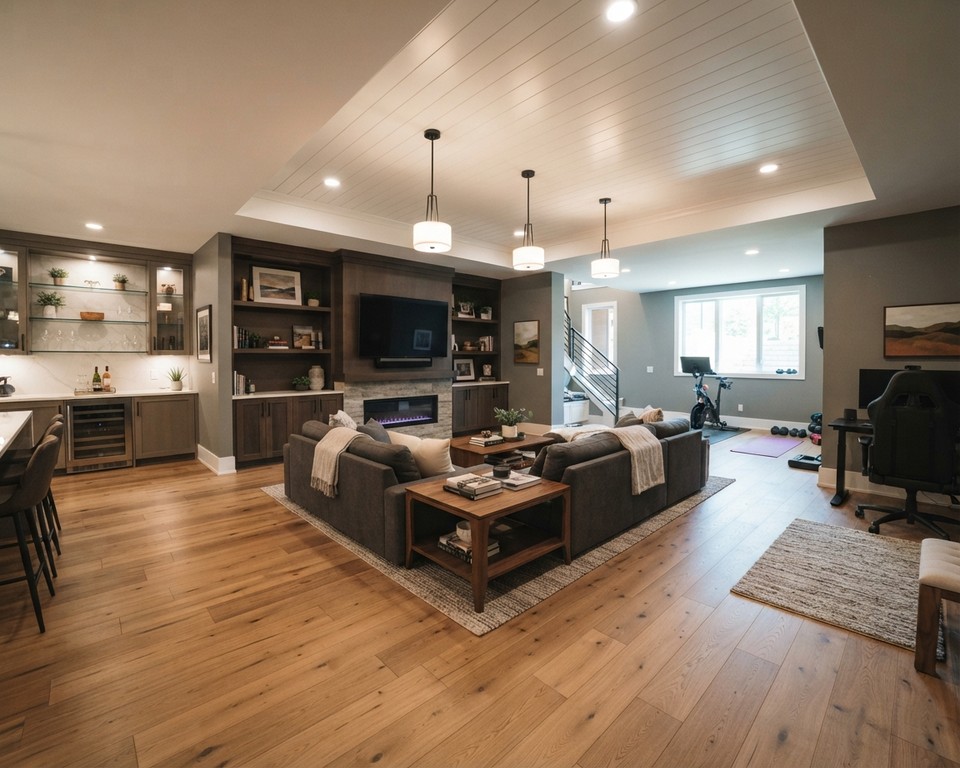 Basement Remodeling Contractor Port Orchard
Key Takeaways
- Renovate Builders brings more than 15 years of Greater Seattle home experience.
- Use the first call to talk about your goals, scope, and budget.
- The team manages each project from design through construction.
- Ask about materials, code requirements, costs, and timelines.
- A clear plan can help you make confident decisions ahead of the start of work.
Basement Remodeling Contractor Port Orchard Homeowners Can Rely On
Renovate Builders brings more than 15 years of regional experience to each home renovation. Its design-build team builds the plan around your goals and then manages the project from design through construction. That approach helps make an underused area useful living space.
Change Unused Space Into A More Livable Area
Port Orchard homeowners may consider a guest bedroom or office, as RCW Construction notes. Other options include a laundry room, toy room, home gym, or bathroom. The right choice depends on the needs of your household and the layout of the home.
- Pick a room that supports daily routines.
- Allow for framing, insulation, moisture control, and flooring.
- Consider existing conditions before selecting finishes.
Plan Finishing That Fits Your Home And Goals
Renovate Builders names those core elements in its local basement finishing work. Renovate Builders brings quality design and construction planning to remodeling services and tailors updates to the intended use. If you want a simple remodel or broader home remodeling, the team can shape the scope around your priorities and the space available. This thoughtful renovation approach can help homes gain comfort and function without losing sight of practical needs.
Basement Remodeling Services For Port Orchard Homes
Begin by matching the available space to daily routines. Port Orchard homeowners could plan a family gathering spot, a guest suite, or a quiet office. Renovate Builders also brings experience in kitchen and bathroom remodeling, whole-house renovations, ADUs, home additions, and interior and exterior upgrades.
Create A Family Room, Guest Suite, Or Home Office
A flexible layout can serve more than one purpose. Think about a media area, guest bedroom, toy room, or work zone. Before choosing finishes, review the room layout and usable square footage to see what fits your household.
Make Room For Laundry, Storage, Or A Home Gym
Laundry and exercise areas are other possible goals. Basement finishing may involve framing, insulation, moisture control, and flooring. Plan storage around daily needs, and discuss the project scope with the team before work begins.
- Keep walkways clear so the space is comfortable to use.
- Leave room for equipment, shelving, or cabinets.
These ideas can guide a custom renovation plan and do not assume that every option suits every home.
| Potential use | Planning focus | Daily benefit |
|---|---|---|
| Family room | Seating and paths kept clear | Living space to share |
| Suite for guests | Privacy and bathroom access | Comfort for guests |
| Laundry or gym | Equipment and storage | Area that is useful for activity |
How Renovate Builders Plans And Manages Your Basement Project
A strong remodeling plan begins with clear goals and open communication. In an initial discussion, Port Orchard clients can talk about their vision, budget, intended use, and project scope. This helps the team build design and construction plans around the home and the people who live there.
Discuss Your Vision, Budget, And Project Scope
Go over priorities, timing, and the work you hope to include. Renovate Builders manages projects from design through construction as a certified general contractor. Request a written, itemized price before demolition, which is a useful standard for understanding costs.
Plan For Permits, Solutions That Meet Code, And Structural Work
The team can review permit needs, code requirements, and structural questions before work begins; this does not mean permits are already secured. For accessory dwelling unit plans, Port Orchard’s POMC 20.68 allows up to two units per lot, each capped at 1,000 square feet of gross floor area.
Coordinate Design, Material Sourcing, And Construction
Design choices, material sourcing, and the project timeline can be lined up before construction starts. A single project manager can also serve as your contact from design to final inspection. Clear updates help clients track decisions, schedule changes, and next steps each day.
Basement Remodeling Costs, Schedules, And Project Considerations
Costs depend on the size and condition of your home and on the finishes you choose. The available source information gives no fixed price for this type of work. For remodeling Port Orchard homes, a written estimate can help clarify the budget before decisions are final.
What Shapes The Project Cost?
Square footage, existing conditions, and finish choices all have an effect on the total. Renovate Builders lists framing, insulation, moisture control, and flooring as parts of finishing a basement. Each one can change the work involved. Ask the team to explain how the design and material choices have an effect on your project.
Check Details Before Work Starts
Compare the written scope, schedule, and material selections ahead of the start of construction. TopVolk gives local homeowners a free estimate with detailed scope and transparent pricing. One source also says its itemized price is agreed in writing before demolition.
“Two to four weeks for most bathroom remodels and four to eight weeks for kitchens.”
Those ranges apply to those rooms and not to this type of project. Ask for a schedule based on the conditions of your home, and confirm how the team will share updates each day. Port Orchard homeowners can then make informed choices before work starts.
Why Pick Renovate Builders For Basement Remodeling
A firm with regional experience can give Port Orchard homeowners a clear path from idea to finished space. With more than 15 years of experience serving the Greater Seattle area, Renovate Builders brings practical insight to each home project.
Partner With An Experienced Design-Build Team
Renovate Builders is a certified general contractor and manages projects from design through construction. This approach gives clients a single team to coordinate plans, choices, and next steps. The company also emphasizes quality craftsmanship, open communication, and a commitment to shaping the result around the vision of each client.
Its wider experience includes home remodeling, kitchen and bathroom updates, whole-house renovation, ADUs, additions, and interior and exterior upgrades. That range can inform a basement remodel while keeping the plan focused on how you want to use the space. For remodeling Port Orchard homes, ask how the team’s experience fits your goals and project scope.
Basement Remodeling Services In Port Orchard And Kitsap County
Renovate Builders serves homeowners and businesses across King, Pierce, Kitsap, and Snohomish Counties in Washington. That puts Port Orchard inside its stated service region, and Kitsap County is especially relevant to local home projects.
Plans for a finished lower-level area can fit broader home renovation goals. Renovate Builders also lists ADUs, additions, whole-house renovations, and kitchen and bathroom updates among its specialties. Talk about how these options may support your home and the way you use each room.
Port Orchard, Bremerton, Silverdale, Bainbridge Island, and Poulsbo are listed as service locations by Renovate Builders. Its local offerings cover basement finishing, kitchen updates, bathroom updates, decks, and flooring. Decks can also support outdoor living, while indoor upgrades may help make homes more useful.
- Consider lower-level work alongside other renovation projects.
- Ask which services suit your property and project scope.
- Check location and availability with Renovate Builders before requesting a quote.
Clear service details help you plan with confidence.
| Business | Coverage listed | Related work |
|---|---|---|
| Renovate Builders | King, Pierce, Kitsap, and Snohomish Counties | ADUs, additions, and whole-house renovations |
| Renovate Builders | Port Orchard and nearby listed communities | Decks, flooring, basement finishing, and kitchen and bathroom updates |
Planning a finished lower-level project starts with a clear conversation.
Renovate Builders is a Seattle-based design-build company with more than 15 years of Greater Seattle experience. In Port Orchard, you can request a quote for a basement project and discuss how it may serve your home.
As a certified general contractor, the company coordinates each stage, from design through construction. Before you call, write down the intended use of the room, your budget, and questions about costs, materials, code-compliant options, and timing. Say so if the plan includes a bathroom, so that the team can discuss relevant needs.
Renovate Builders serves Kitsap, King, Pierce, and Snohomish Counties. Tell the team your goals and ask about next steps, schedule, and scope. A direct conversation can help set a clear path toward quality work that fits your plans.